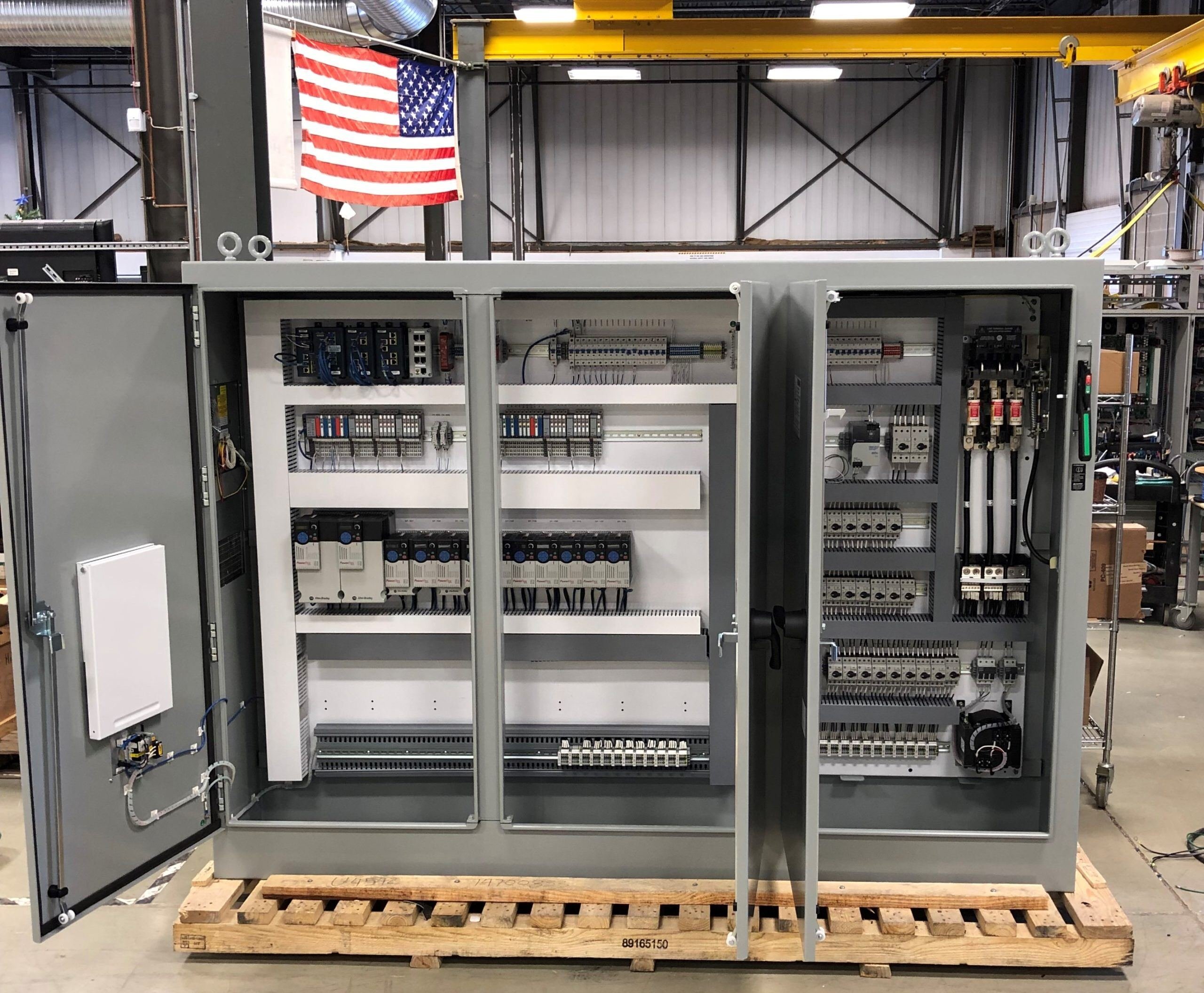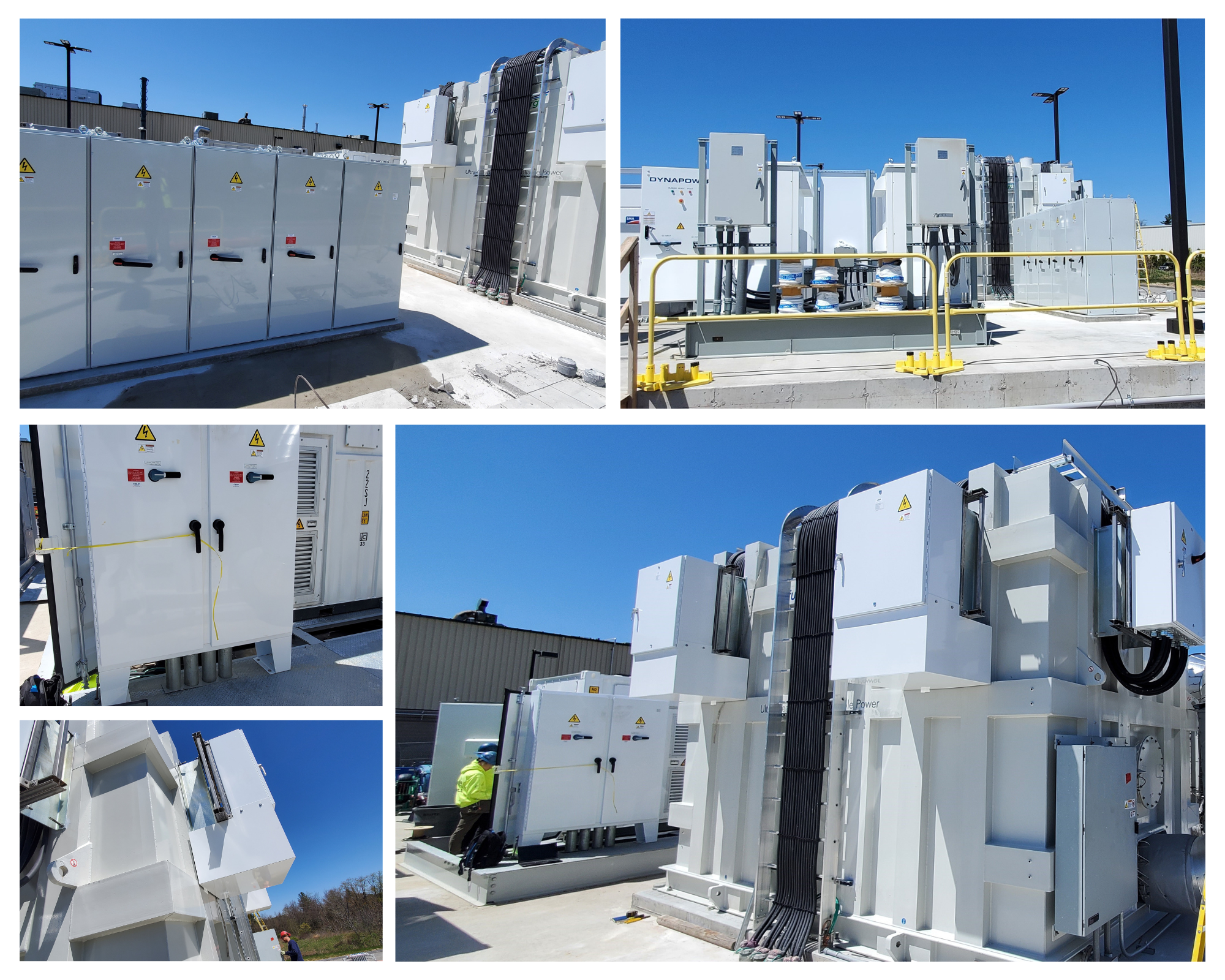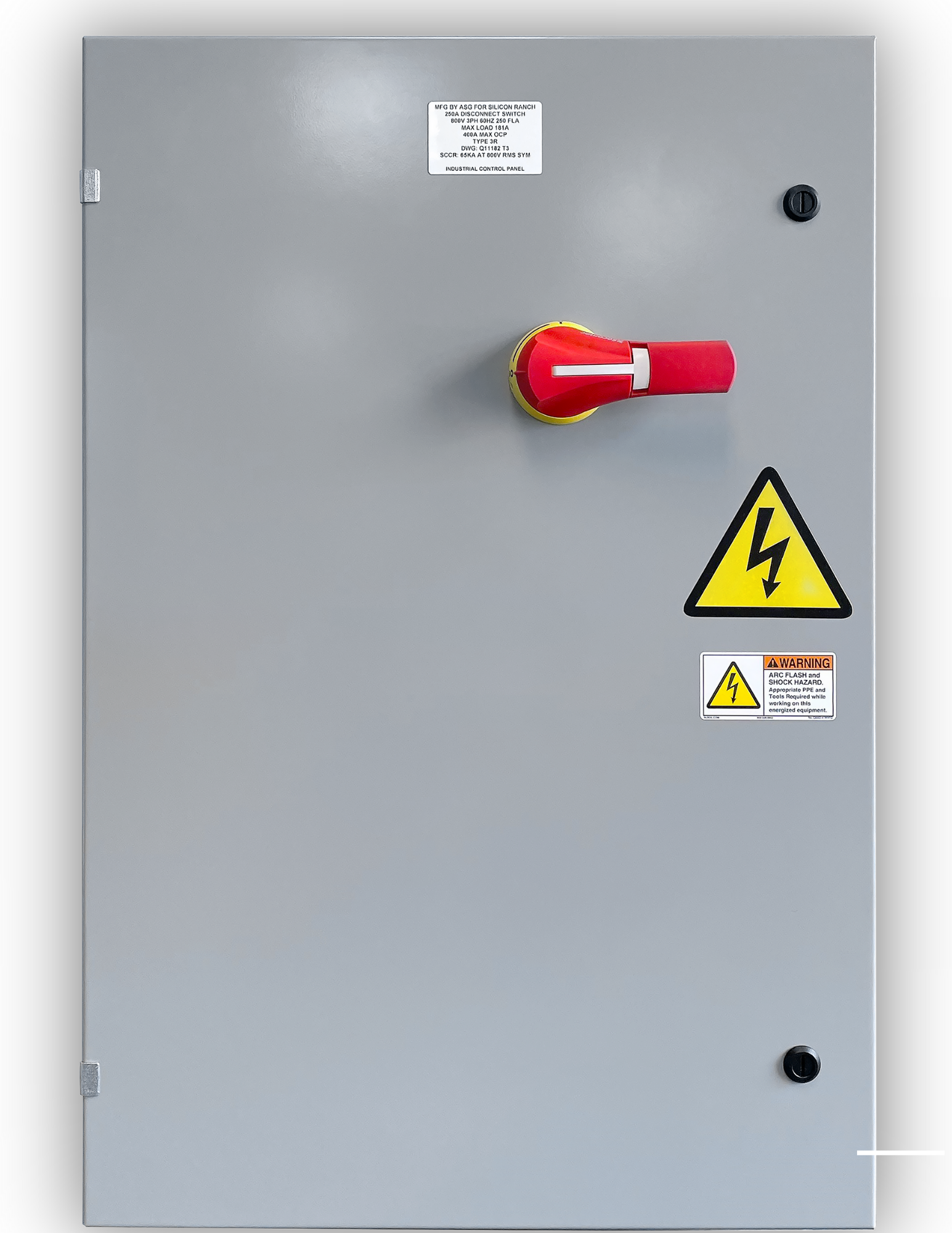

Industrial projects lose weeks, and sometimes months, to field wiring delays and coordination failures. Electrical skids solve this by shifting complex assembly into a controlled factory environment. Getting this right means the difference between a smooth commissioning and a costly schedule overrun.
Introduction
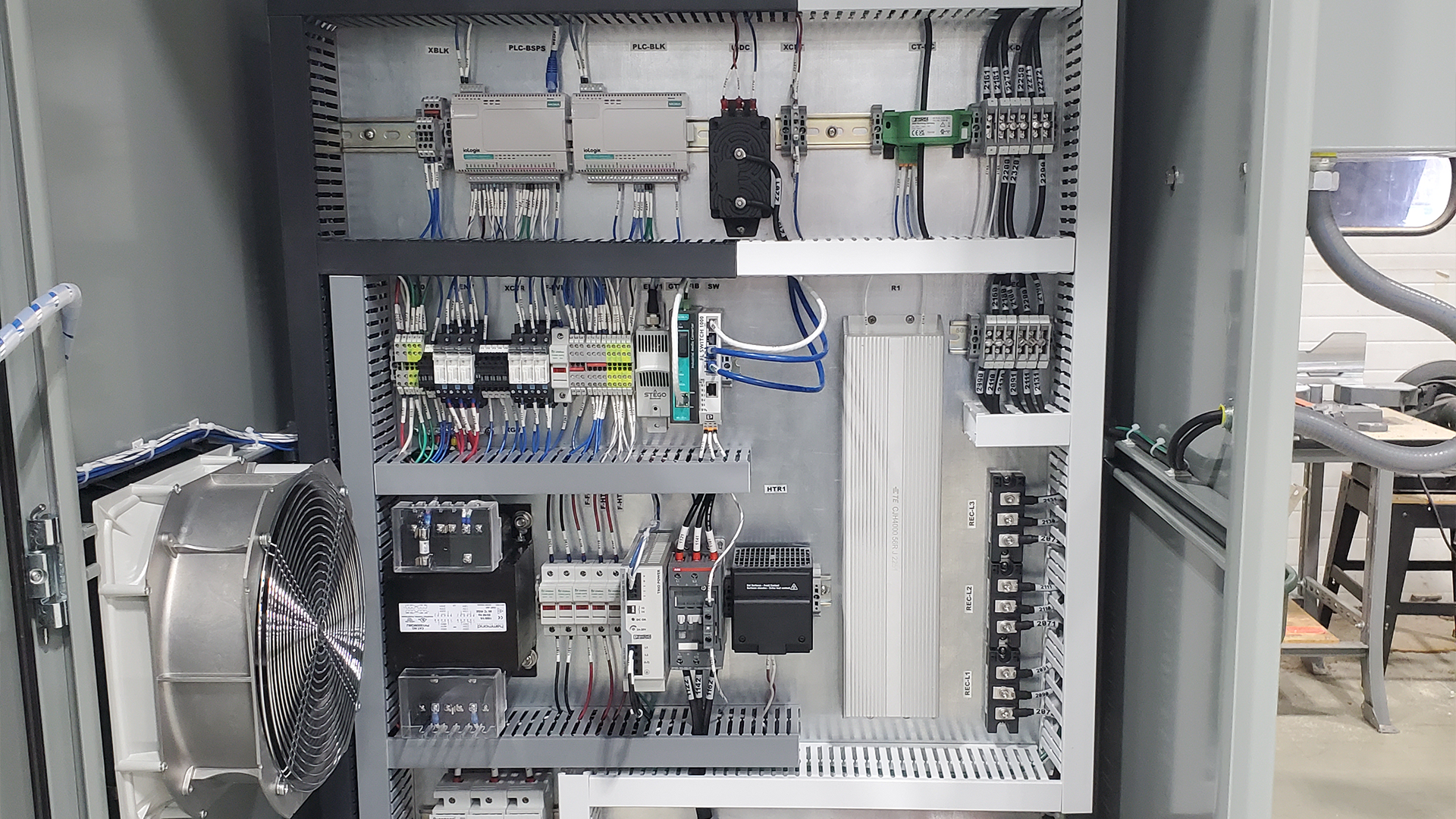
Electrical skids explained for power and industrial use starts with a simple idea: pre-assemble electrical equipment on a structural base frame before it reaches the job site. The result is a tested, documented package that arrives ready for connection.
Power projects move more smoothly when equipment is connected safely, controlled reliably and delivered efficiently. Electrical skids make that possible by reducing onsite labor, limiting field wiring steps and improving schedule predictability.
Demand is growing fast. The global power skid market stood at USD 1.2 billion in 2024 and is forecast to reach USD 2.5 billion by 2033. Understanding how skids are built, specified and deployed helps engineers and project teams make better decisions from the start.
What Are Electrical Skids (And How They Differ from E-Houses)
An electrical skid is a pre-assembled collection of electrical equipment mounted on a structural base frame. It arrives at the site as a single unit, ready for final connections.
An E-House is different. It is a fully enclosed building, complete with HVAC, lighting, fire and gas detection, and cable entry systems, designed so operators can walk in and work in a protected environment.
Key distinctions include:
Form factor: Skids are open or semi-enclosed; E-Houses are walk-in enclosures
Environment control: E-Houses include climate and pressurization systems; skids do not
Deployment speed: Skids typically connect faster due to simpler interface requirements
Market size: The global e-house market was valued at USD 1.65 billion in 2025, with skid-mounted types holding a 68.4% share
Application fit: Skids suit open-air or sheltered installations; E-Houses suit harsh or hazardous environments
What Is a Power Skid and Where It Fits
A power skid is a specific type of electrical skid focused on power distribution and conditioning. It consolidates switchgear, transformers, inverters and related equipment into one deployable unit.
Power skids serve a wide range of applications:
Industrial manufacturing: The industrial segment led skid-mounted substation demand with a 42.7% revenue share in 2025
Oil and gas: Historically the largest end-user, accounting for approximately 28.5% of global demand in 2025, driven by remote locations
Data centers: Skids provide plug-and-play power for remote or stand-alone modules where floor space is limited
Battery energy storage: Global BESS deployments are expected to exceed 100 GWh annually in 2025, with each gigawatt-hour typically requiring 8 to 12 skid-mounted substation units for grid interconnection
Renewable energy: Solar and storage projects use skids for EBOS, connecting, protecting and distributing power around the asset
How Electrical Skids Are Built and Delivered
Building an electrical skid follows a structured sequence. Each phase reduces the risk of errors that would otherwise appear during field installation.
Plan and Design
The design phase defines the skid's electrical architecture, physical layout and compliance requirements. Engineers confirm voltage levels, equipment ratings and enclosure specifications such as NEMA 3R or NEMA 4 ratings based on the deployment environment.
Specifying the wrong NEMA rating is one of the most expensive mistakes in control panel design. Over-specifying a Type 4X stainless enclosure when a Type 12 will suffice can double the material cost on every panel that ships. Design for manufacturability is confirmed at this stage, aligning drawings and bills of materials before fabrication begins.
Manufacture and Test
Fabrication happens in a controlled factory environment. Equipment lead times in 2025 and 2026 are significant: 15/27 kV metal-clad medium-voltage switchgear runs 60 to 80 weeks, making early procurement critical.
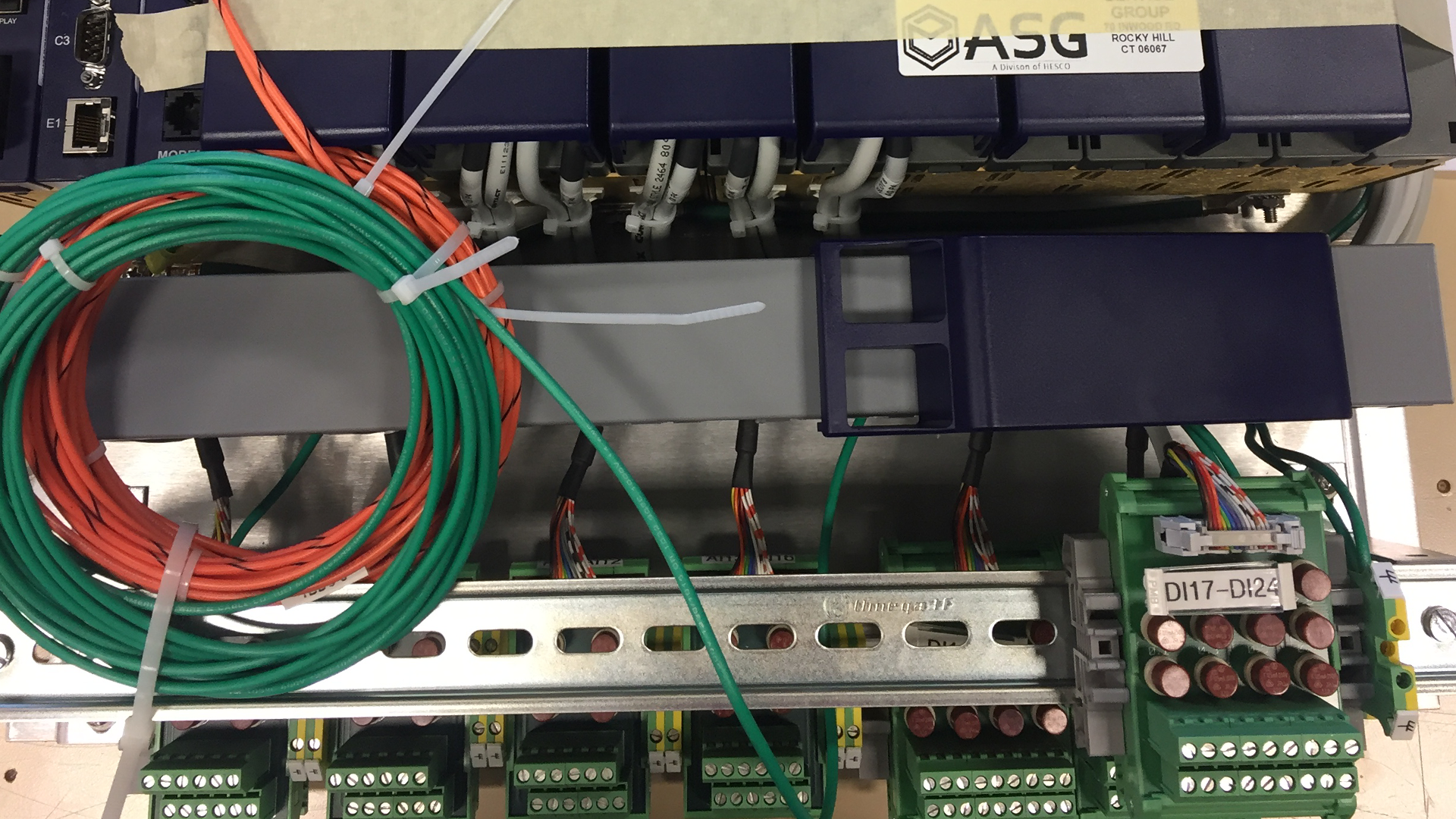
Once assembled, a Factory Acceptance Test (FAT) qualifies the skid 2 to 4 weeks before shipment. According to JAGS Assurance, the FAT covers wiring verification, torque checks, PLC logic loading, breaker and relay operations, interlock validation and system-level energization. This step catches issues before the skid reaches the field.
Benefits of Using Electrical Skids on Industrial Projects
Electrical skids deliver measurable advantages across schedule, cost and safety. Two areas stand out most clearly for industrial project teams.
Reduced Project Complexity
Skids consolidate vendor coordination, reduce field labor and compress timelines. Industries that shift to modular skids consistently report total installed cost reductions of 20 to 35% compared to equivalent stick-built installations.
Factory cutting also generates just 2 to 5% material waste, compared to 10 to 15% on stick-built sites. Prefabricated assemblies can also be depreciated in seven years in the United States per IRS Publication 946, compared to 39 years for equipment installed in the facility. That tax advantage matters for capital planning.
Enhanced Safety
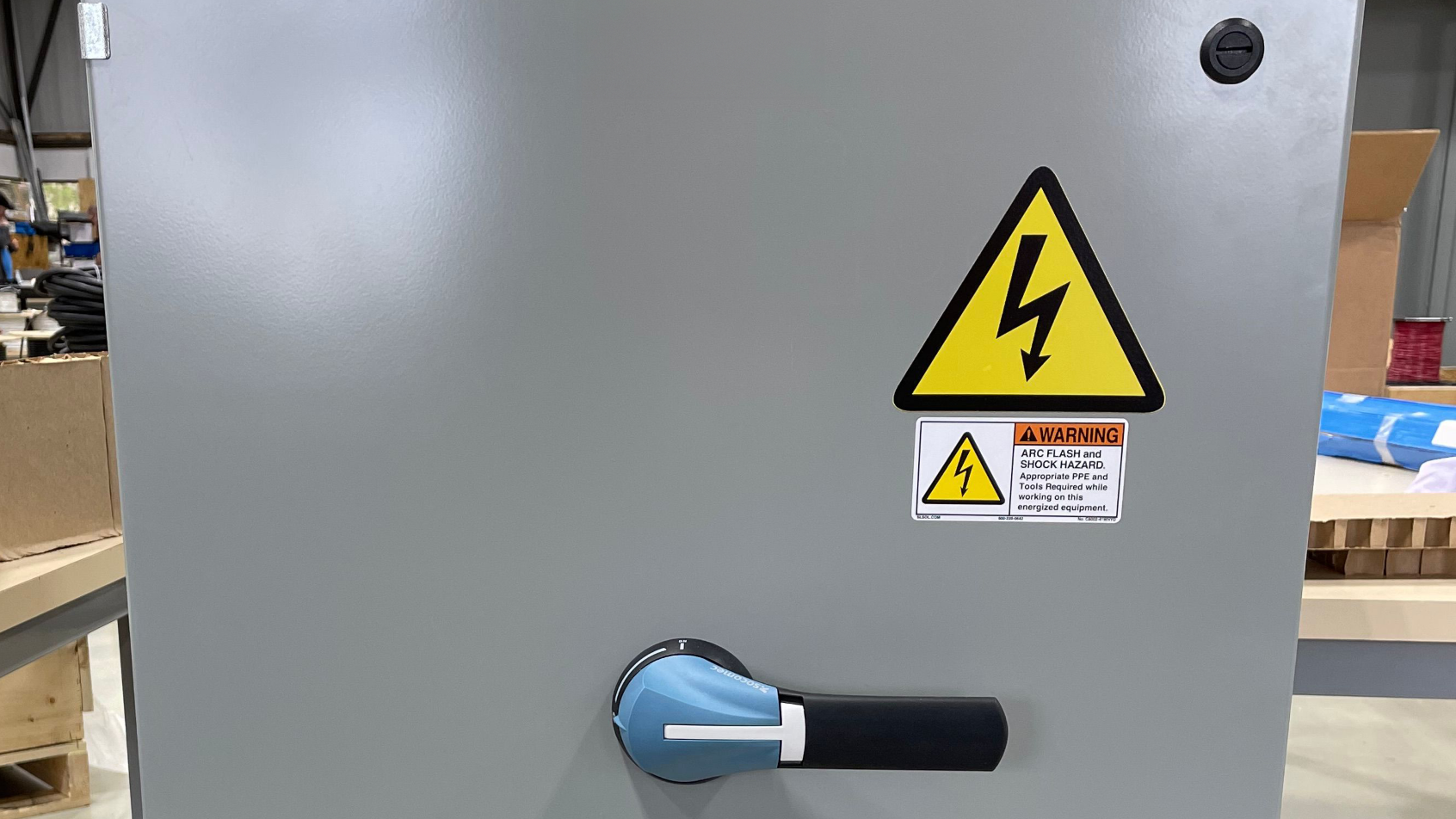
Pre-tested skids reduce the number of trades working simultaneously in tight site environments. This directly lowers arc flash and electrocution exposure during installation.
Commercial and industrial customers absorbed an average of $6,031 per outage in 2024, with businesses in every U.S. state seeing average per-outage costs above $4,000. Skids that arrive tested and documented help teams avoid the field errors that cause unplanned outages. Reliable, pre-commissioned equipment supports safer startup and long-term operation.
Key Factors When Choosing an Electrical Skid
Choosing the right electrical skid requires matching technical specifications to site conditions, compliance requirements and total cost.
Adaptable Designs for Varying Site Conditions
Skid designs must account for environmental exposure, available footprint and transport constraints. A large data-center electrical skid can measure approximately 50 ft in length and weigh 45,000 lbs, requiring a critical tandem lift for placement.
Smaller utility-scale battery storage inverter skids measure roughly 19.88 x 8.50 x 8.00 ft. Enclosure ratings, structural reinforcement and cable entry points all vary by site. Confirm physical constraints early in the design phase to avoid costly redesigns.
Vendor Qualification and Code Compliance
The medium voltage segment captured approximately 54.3% of total revenue in the skid-mounted unit substations market in 2025. Equipment for hazardous locations must be certified under UL 2011 and comply with the applicable sections of the National Electrical Code (NEC). Three major certification systems define explosion-proof ratings:
NEC/UL for North America
ATEX for the European Union
IECEx for international applications
Confirm which standards apply to your end-use environment and authority having jurisdiction (AHJ) before finalizing vendor selection.
Total Cost of Ownership
Upfront equipment cost is only part of the picture. Schedule savings from modular delivery reduce labor costs and financing exposure.
In a head-to-head comparison for a 50 MW data center power block, the skid route runs approximately 27 weeks faster than stick-built, a significant advantage when project financing is tied to commissioning milestones. Factor in depreciation benefits, reduced onsite labor and long-term maintenance access when comparing skid options.
Safety Advantages Built Into Electrical Skid Design
Exposure to electricity caused 130 worker deaths in the United States in 2024, according to ESFI. NFPA 70E estimates that 5 to 10 arc flash explosions occur every day across the U.S., with up to 80% of OSHA-reported electrical injuries involving thermal burns.
Modular skid construction addresses this directly:
Controlled assembly environment: High-risk wiring and gear handling happen in a factory, not a crowded job site
Fewer simultaneous trades: Less congestion during installation reduces exposure to live equipment
Pre-tested connections: FAT-verified wiring reduces the chance of field errors that cause arc events
NEC compliance built in: NEC Articles 500 to 504 govern Class I, II and III hazardous locations, and skid manufacturers can build to these requirements before shipment
Explosion-proof ratings: The U.S. leads the global explosion-proof equipment market with an 80.50% share, reflecting the OSHA and NFPA mandates that apply where skids are commonly deployed
Conclusion
Electrical skids have become a practical answer to the schedule pressure, field labor costs and compliance complexity that define modern power and industrial projects. By shifting assembly into a controlled manufacturing environment, project teams gain tested, documented equipment that supports safer installation and more predictable commissioning.
The market reflects this shift. Investment in modular electrical manufacturing is accelerating across the United States, driven by data center growth, energy storage expansion and industrial modernization. Teams that specify skids early, confirm compliance requirements upfront and partner with experienced manufacturers are better positioned to deliver projects on time and within budget.
Frequently Asked Questions
How much do electrical skids cost in the United States?
Electrical skid pricing in the United States varies by voltage class, equipment scope and enclosure rating. The U.S. modular process skid market was valued at USD 1.96 billion in 2025 and is projected to reach USD 4.78 billion by 2034, reflecting strong demand and competitive supply.
Teams reduce total cost by confirming NEMA ratings early, avoiding over-specification and consolidating vendor scope. Prefabricated assemblies also qualify for accelerated seven-year depreciation under IRS Publication 946, improving the financial case compared to stick-built alternatives.
Where are electrical skids most commonly deployed in the United States?
In the United States, electrical skids are deployed across industrial manufacturing, oil and gas, data centers, renewable energy and battery storage. Power infrastructure spending in the U.S. is projected at $27.8 billion in 2026, up 68% year-over-year, according to Straits Research.
Demand is especially strong in regions with concentrated data center construction and utility-scale energy storage projects. Remote industrial sites also rely on skids because they arrive pre-tested and require minimal onsite assembly.
What technical specifications define a medium-voltage electrical skid?
A typical medium-voltage skid includes switchgear rated up to 40.5 kV, transformers up to 5 MVA and low-voltage switchgear up to 1 kV. Optional modules may include inverters, bus ducts and energy storage integration.
Equipment for hazardous locations must meet UL 2011 certification and comply with NEC Articles 500 to 504. Compass Datacenters signed a multi-year agreement with Siemens guaranteeing delivery of up to 1,500 modular MV skid units over five years, confirming that large-scale standardized specifications are achievable.
How do electrical skids compare to traditional stick-built electrical rooms?
Electrical skids offer faster delivery and lower installed cost compared to stick-built electrical rooms. Up to 80% of engineering and fabrication work is completed off-site in parallel with site preparation, according to Tecnicon Engineering.
Projects that would typically take 4 to 6 months onsite can be completed in 2 to 4 weeks after skid delivery. Stick-built approaches require more simultaneous trades, longer field wiring cycles and more complex commissioning sequences, all of which increase schedule and safety risk.
What does implementation look like when deploying an electrical skid?
Deployment begins with a design phase that confirms site conditions, voltage requirements, enclosure ratings and compliance standards. Fabrication and FAT testing follow, with the skid qualified before shipment.
On arrival, teams complete final connections, perform site acceptance testing and commission the system. Eaton announced a $242 million investment in a new North Little Rock, Arkansas facility in 2026 to expand modular electrical enclosure manufacturing, reflecting the scale of infrastructure now supporting faster skid delivery and deployment across the United States.
Topics: