Every hour spent troubleshooting equipment in the field is an hour a project schedule cannot easily recover. Factory Acceptance Testing (FAT) exists to move that troubleshooting upstream, into a controlled manufacturing environment, before equipment ever reaches the site.
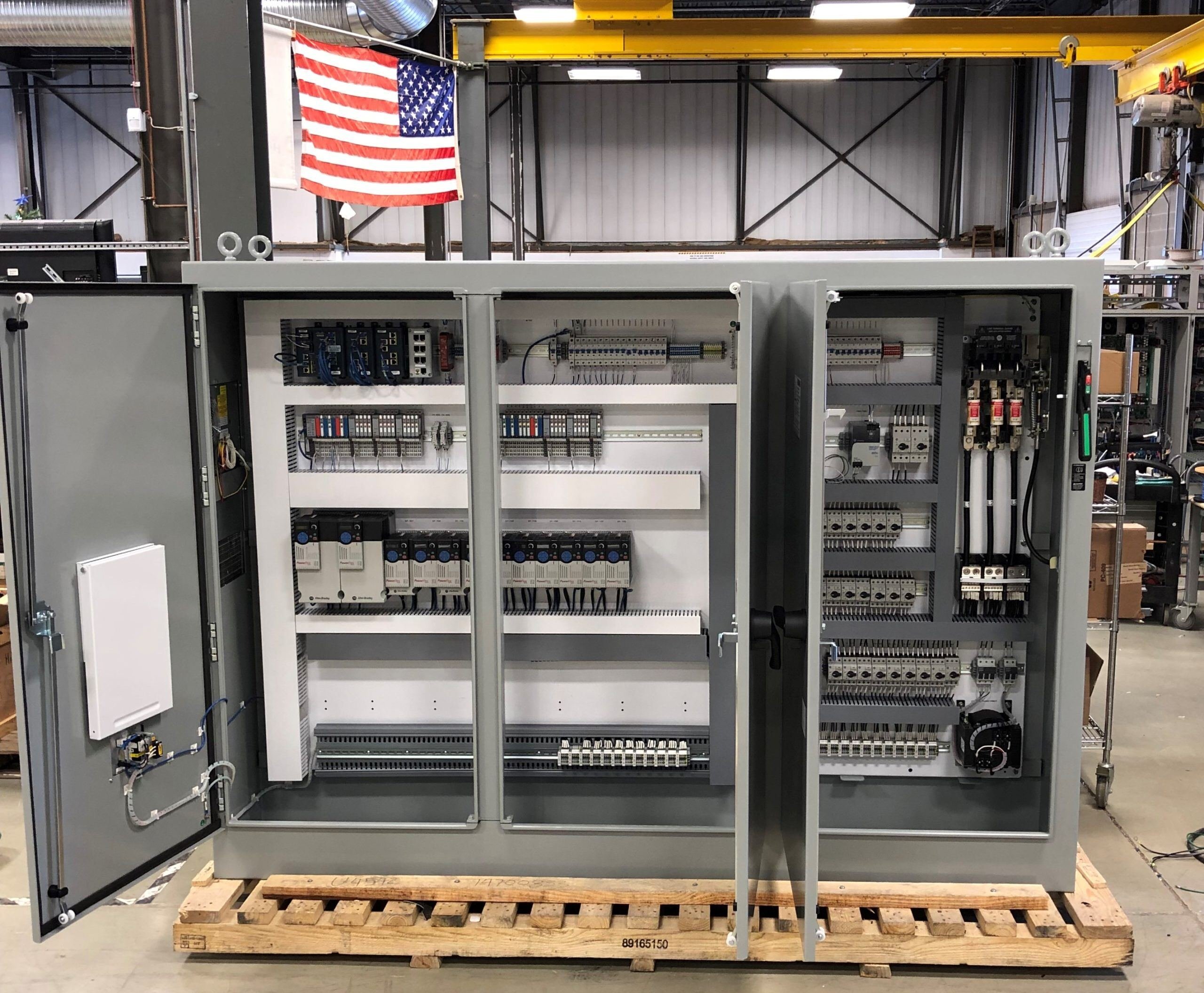
FAT helps catch issues before electrical equipment leaves the manufacturing floor. By testing assemblies under controlled conditions, a manufacturer can verify wiring, labeling, functionality and documentation against the customer's own requirements before shipment. That single step reduces the risk of field delays, commissioning problems, rework and the kind of frustration that erodes confidence in a project partner.
Value Is Realized When Equipment Is Verified Before It Ships, Not After
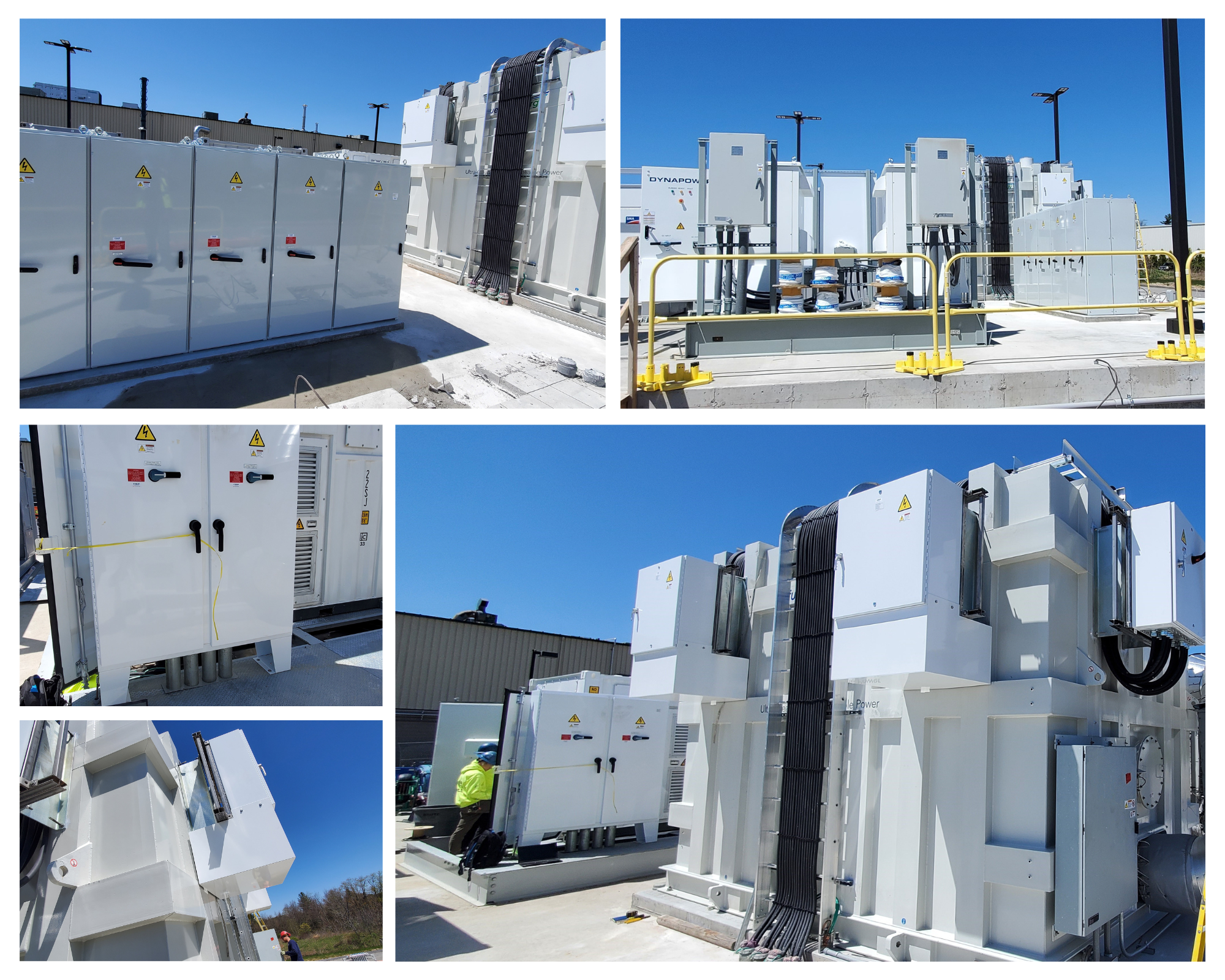
That's the practical case for FAT. A tested assembly is a known quantity when it arrives on site. An untested one is a guess, and guesses are expensive once cranes, crews and schedules are already committed.
Quick Answer: What Is Factory Acceptance Testing?
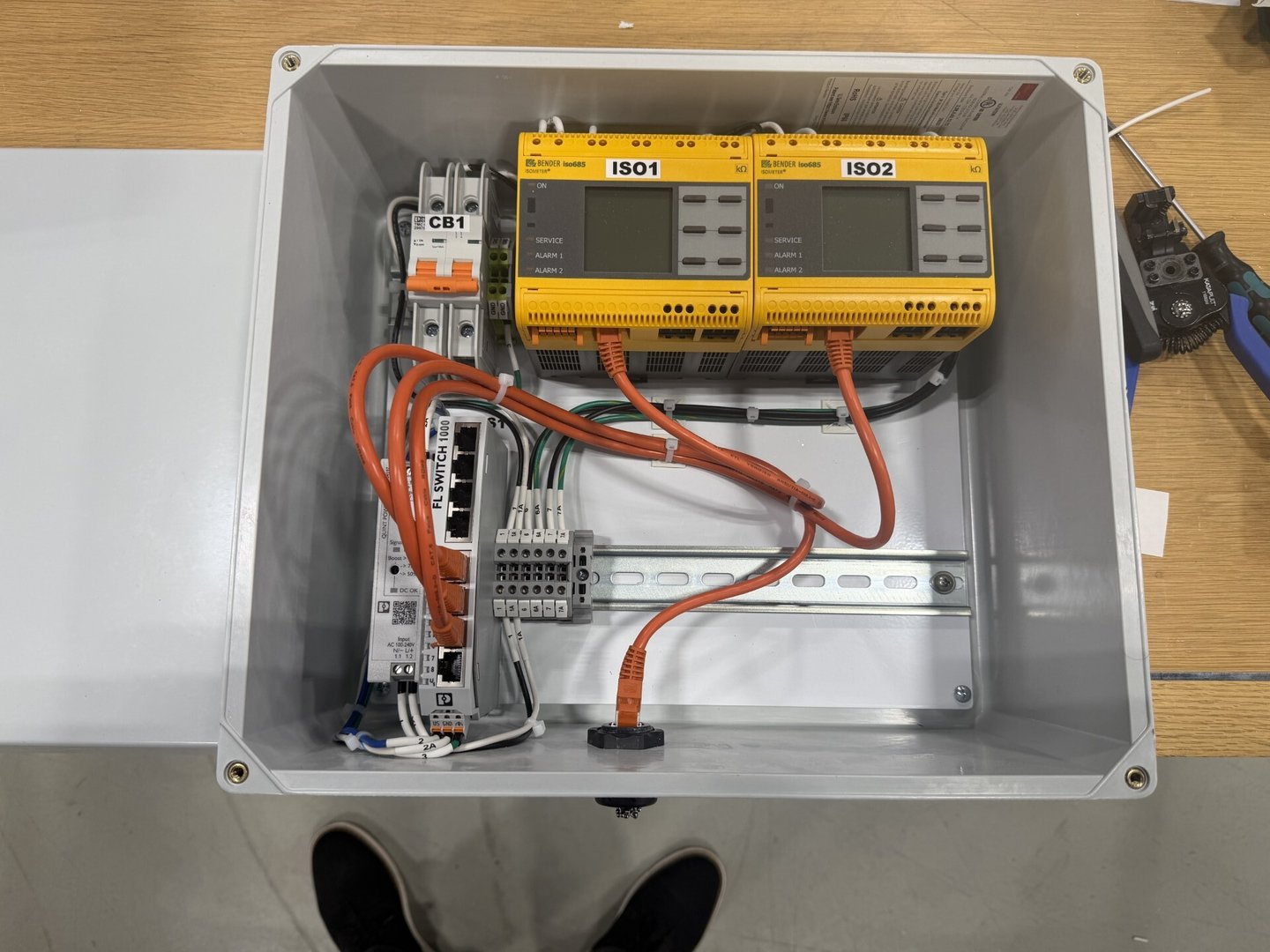
Factory Acceptance Testing is a structured, documented test performed at the manufacturer's facility before equipment ships. It confirms the assembly was built to the approved drawings and specifications, verifies labeling and documentation, and exercises functional components, including switches, relays, indicators and controls, under conditions that approximate real operation. The goal is to find and resolve issues before the equipment leaves the shop.
Why FAT Reduces Field Problems
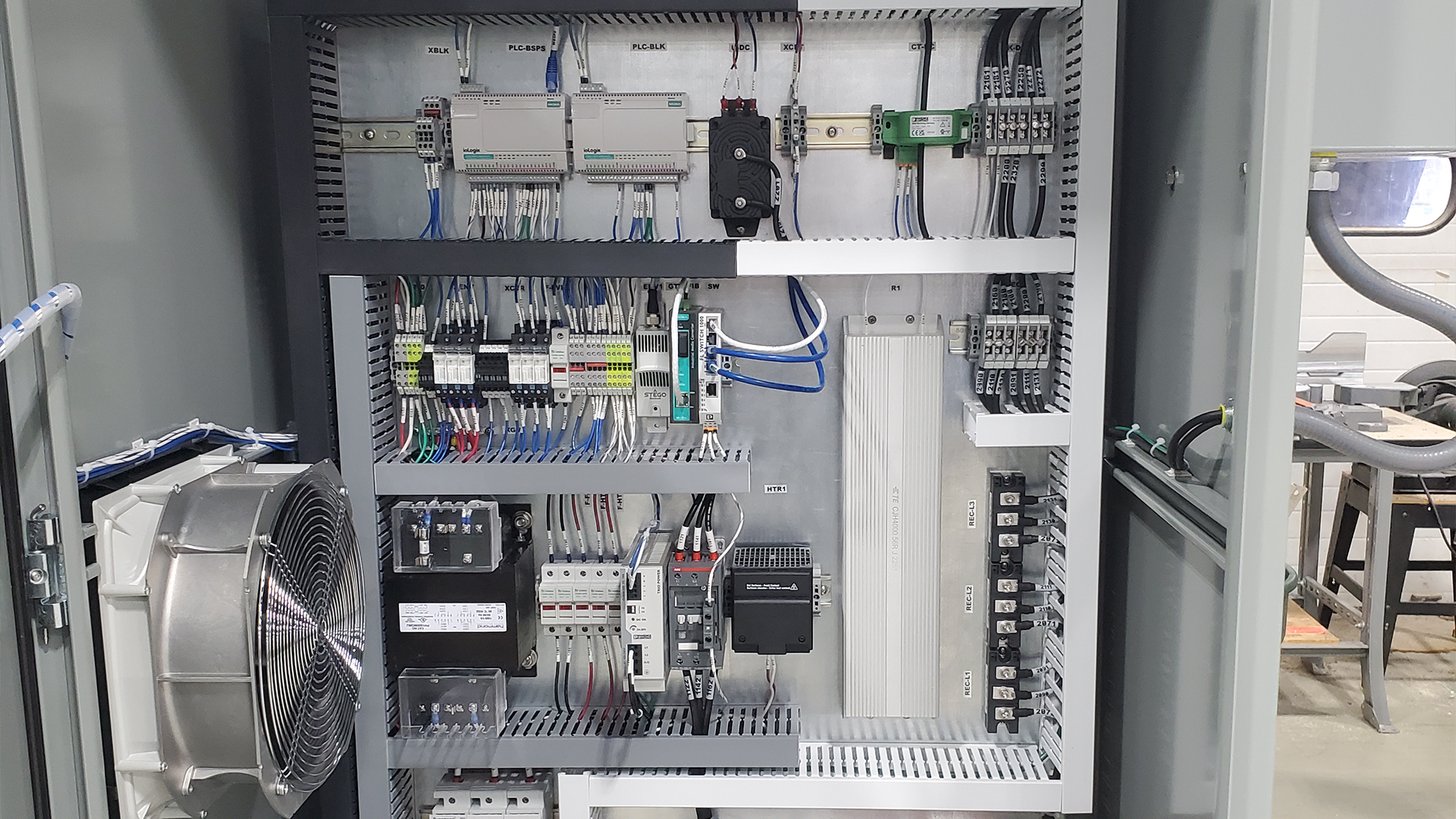
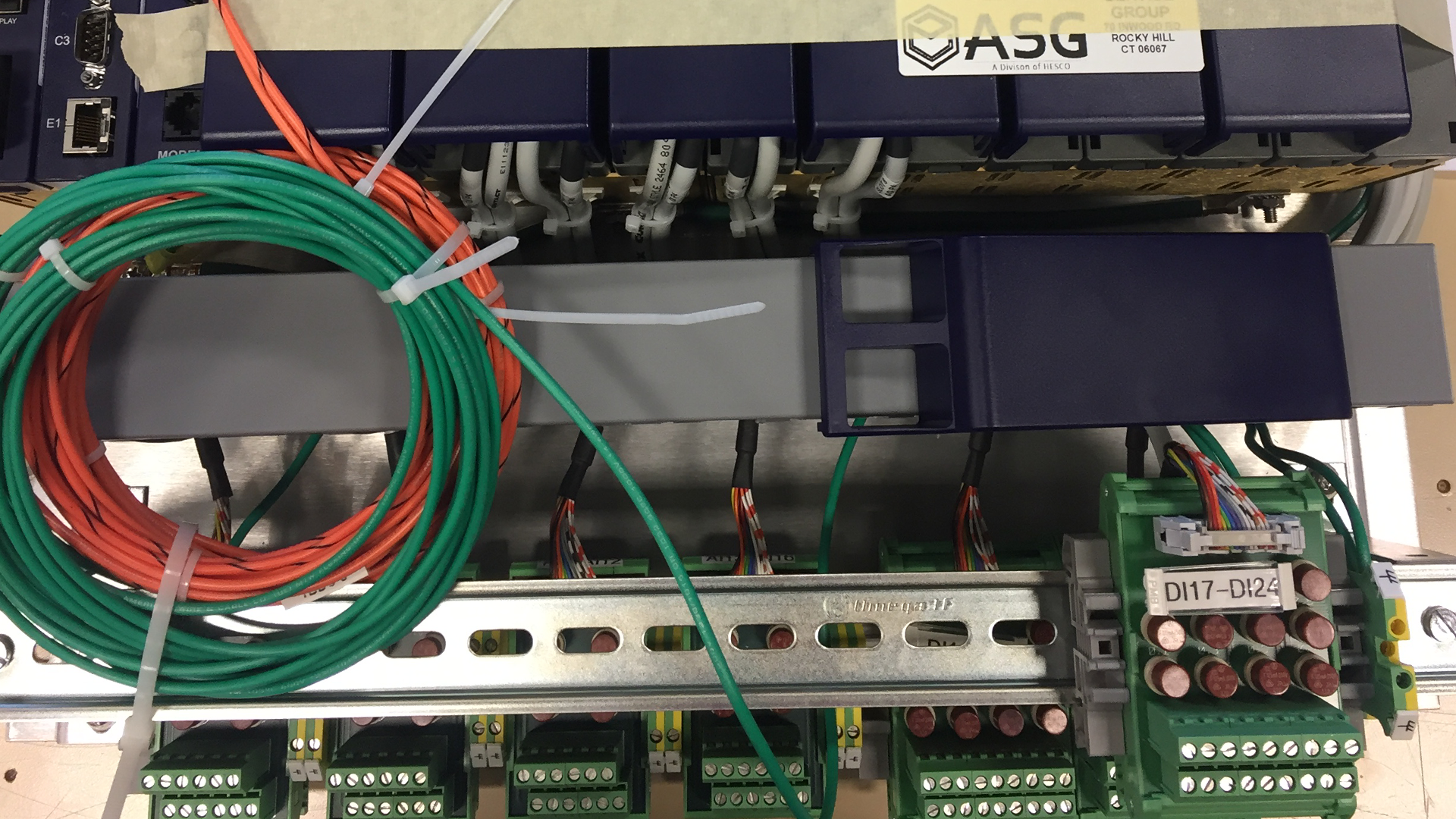
Most field issues trace back to something that could have been caught earlier: a mislabeled terminal, a wiring error, a component that doesn't match the drawing, or a function that was never actually exercised before shipment. FAT is built to intercept exactly those problems. Specifically, it can:
-
Confirm the assembly was built according to drawings and specifications
-
Identify wiring errors before equipment is installed in the field
-
Verify labels, terminal numbers, device tags and supporting documentation
-
Exercise functional checks of controls, switches, indicators, relays and other devices
-
Catch missing components, incorrect parts or drawing mismatches before shipment
-
Create a documented quality checkpoint the customer can review before delivery
Why Projects Win or Lose on Testing Discipline
Two panels can look identical sitting on a shop floor. The difference between a project that stays on schedule and one that doesn't often comes down to what happened, or didn't happen, before that panel shipped. FAT supports customer confidence before shipment, reduces troubleshooting time during installation and commissioning, and helps avoid the costly cycle of shipping equipment, discovering a problem in the field, and shipping parts or personnel back out to fix it.
Just as importantly, FAT shows that a manufacturer runs a structured quality process, not simply a final visual check before the crate goes on the truck.
What ASG Power Delivers
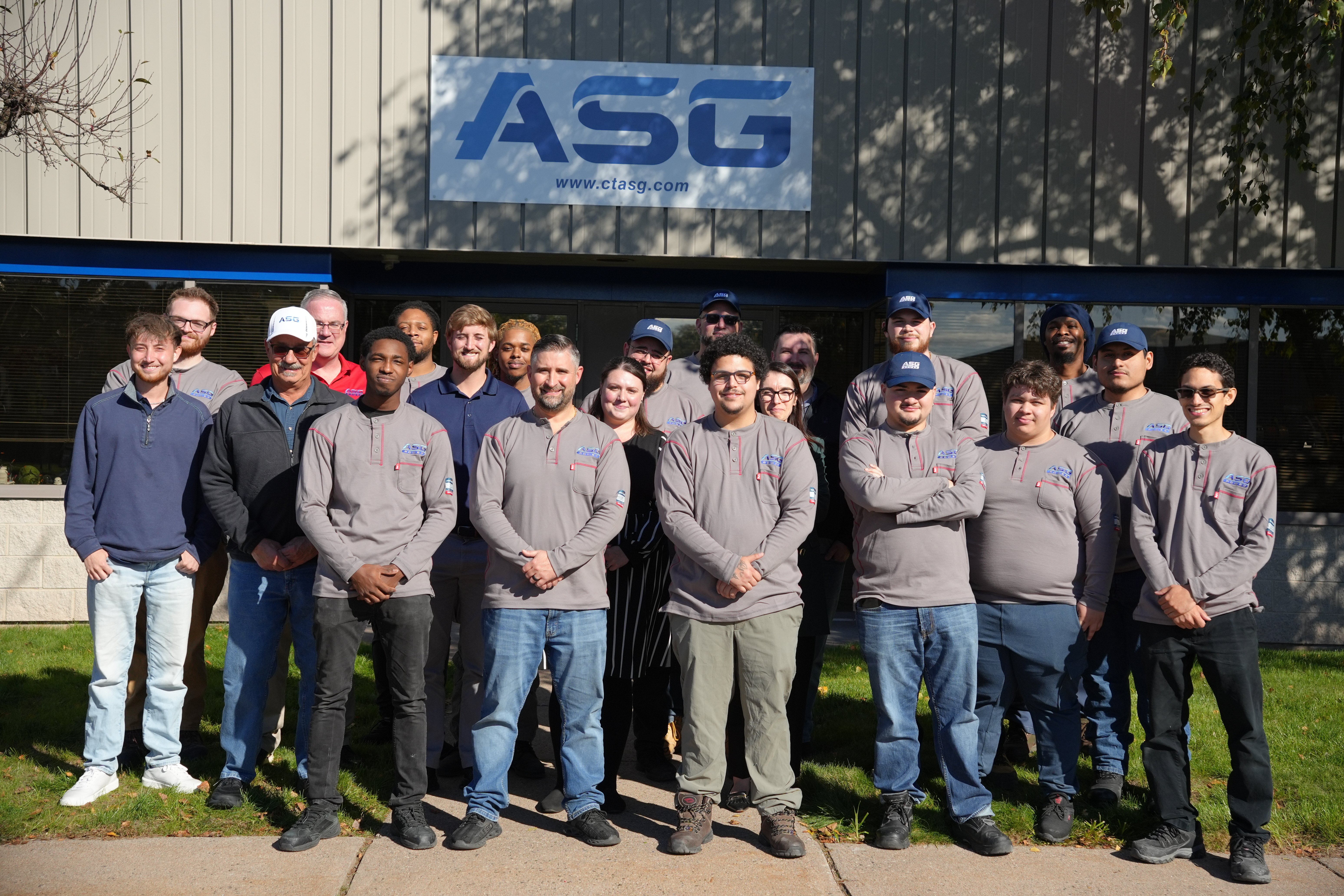
At ASG Power, Factory Acceptance Testing is part of a broader Delivery and Support process that carries a project from Design Engineer Manufacture execution through documentation, packaging and field support after shipment.
FAT is conducted at ASG's facility, and products are tested regardless of their final destination, which helps project teams standardize acceptance criteria across multiple sites. FAT scope is defined up front, before the build starts, so testing is aligned to what the customer actually needs verified, and issues are resolved before equipment reaches the field.
Delivery doesn't stop at the test bench. ASG Power also supports:
-
Custom packaging, labeling and kitting built to reduce receiving time and install-time sorting on site
-
Field service, commissioning and startup support after delivery
-
Retrofits and warranty coverage for equipment already in the field
-
Lifecycle support for OEM and integrator programs, including revision control and repeatable documentation across product generations
Compliance and Certifications
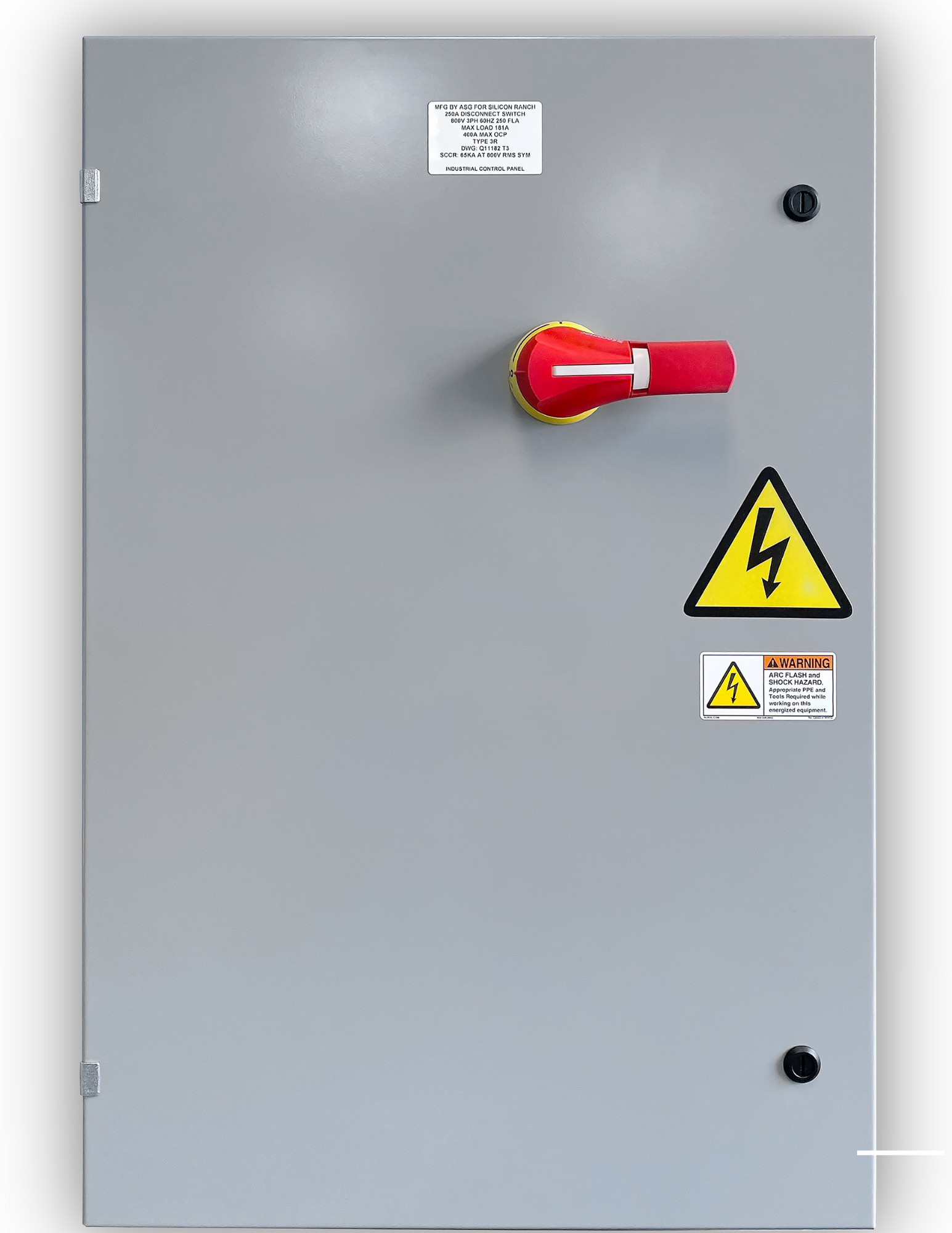
Equipment moving through ASG Power's FAT process is built under the applicable UL standards for the product, including UL 508A control panels and UL 891 switchboards, depending on the assembly, with ISO 9001:2015 quality management practices supporting the process behind it. Certification requirements should be confirmed for the specific product and end-use application.
Why ASG Power
-
Reduce field rework: Documented testing before shipment catches wiring, labeling and component issues early.
-
Support schedule control: A defined FAT scope means fewer surprises during installation and commissioning.
-
Standardize acceptance: Every assembly is tested at ASG's facility, regardless of where it's headed.
-
Extend support past shipment: Packaging, field service and warranty coverage carry the same quality discipline through delivery.
Key Takeaways
-
Factory Acceptance Testing verifies wiring, labeling, functionality and documentation before equipment ships.
-
A defined FAT scope, agreed to up front, helps prevent misaligned expectations later in the project.
-
Testing before shipment shifts troubleshooting away from the jobsite, where it is slower and more expensive to resolve.
-
FAT is a documented checkpoint, not a substitute for good component selection and build quality. It works best alongside both.
-
Delivery and Support extends past testing into packaging, field service and warranty coverage.
FAQ
What does Factory Acceptance Testing actually check? FAT verifies that equipment was built to the approved drawings and specifications, confirms labeling and documentation, and exercises functional components such as switches, relays and controls before the equipment ships.
Is FAT the same as a final visual inspection? No. A visual inspection confirms the equipment looks correct. FAT goes further, exercising functions and verifying documentation to confirm the equipment performs as designed.
Who defines the scope of a Factory Acceptance Test? FAT scope should be defined up front, before the build starts, based on the customer's own requirements and the equipment's intended use.
Does Factory Acceptance Testing add time to a project? FAT is built into the delivery schedule rather than added on top of it, and the time it takes is typically far shorter than the delays caused by discovering the same issues in the field.
Can FAT be performed regardless of where equipment is shipping? Yes. Testing at the manufacturer's facility, before shipment, works the same way whether equipment is headed across town or across the country.
Talk to an Expert
A tested assembly is a known quantity on delivery day. Talk to an Expert at ASG Power about building Factory Acceptance Testing into your next power or control equipment project.
Topics:

.jpg?width=1920&height=1080&name=ASGSummerReadinessBlog2026%20(1).jpg)