UL 891 Switchboards: What Engineers and Facility Teams Need to Know
July 30th, 2026
4 min read
By ASG Power
UL 891 Switchboards:
A Practical Guide Before You Specify or Purchase
Low-voltage switchboards play a critical role in commercial, industrial and institutional power distribution. When they are selected correctly, they help support safer operation, smoother installation and long-term maintainability. When key details are missed, the result can be inspection delays, field changes, equipment misapplication or avoidable downtime.
For engineers, contractors, facility teams and purchasing groups, UL 891 is more than a label on a submittal package. It is a recognized product safety standard that helps define how dead-front switchboards are built, evaluated and marked for use in low-voltage electrical systems.
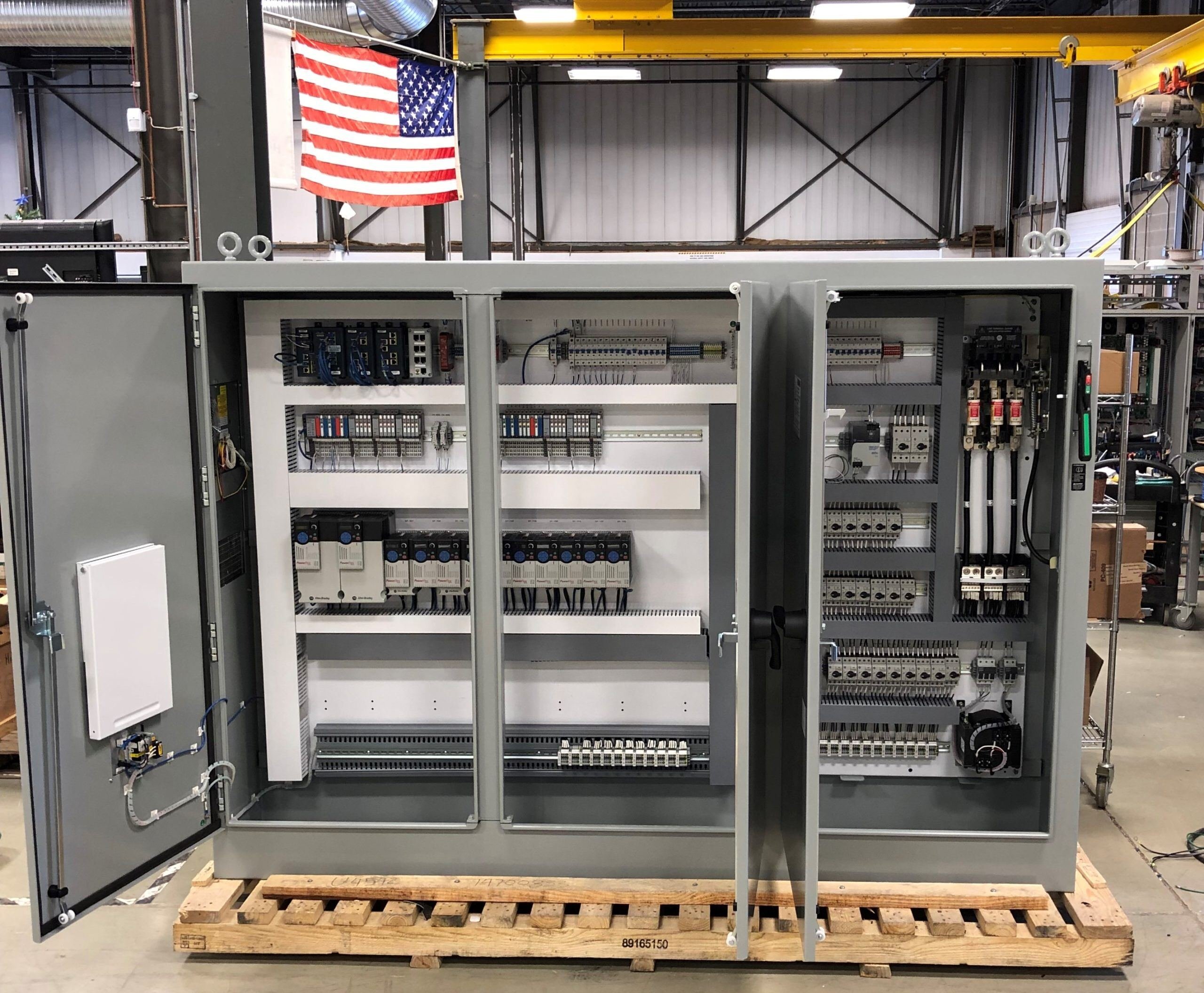
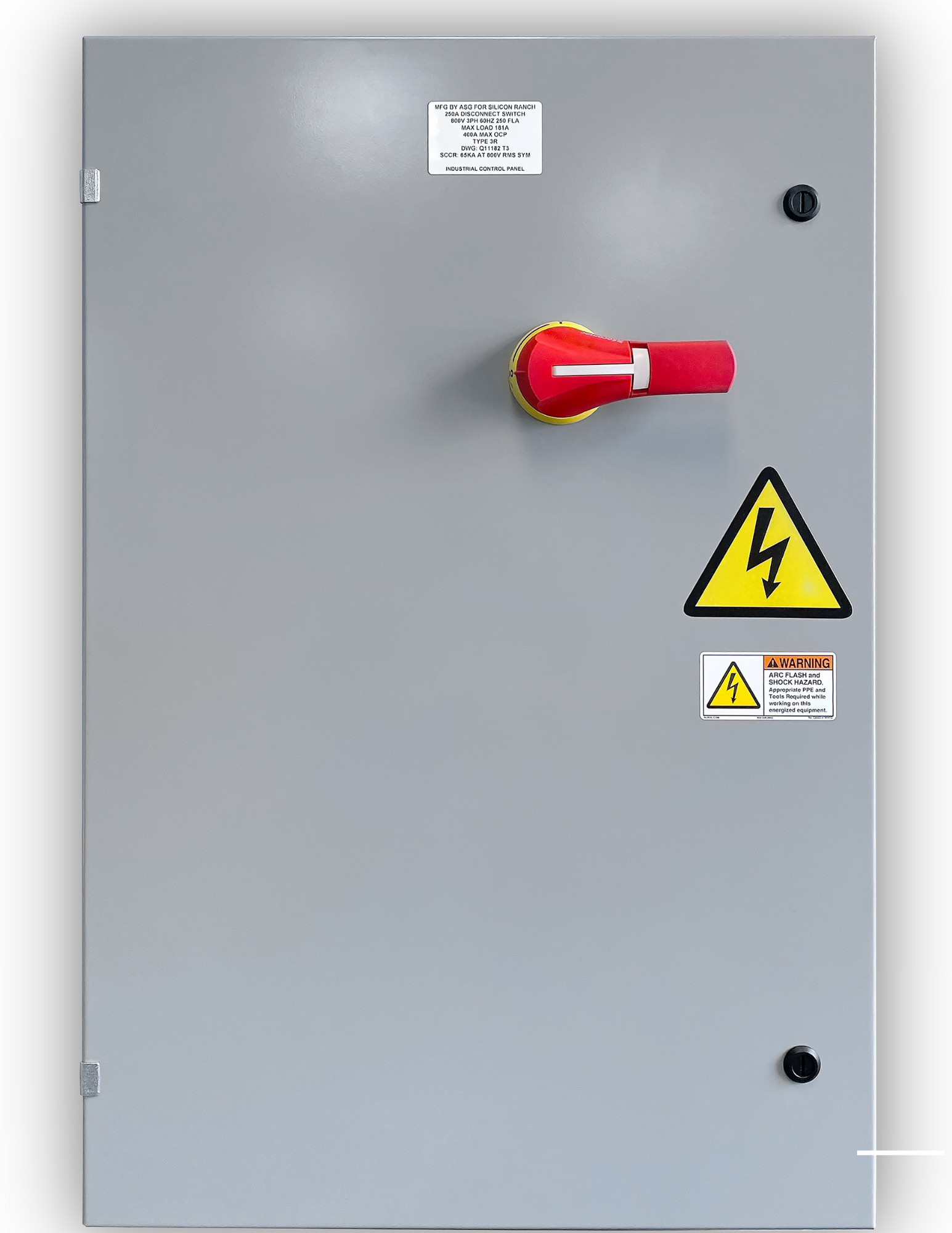
ASG Power manufactures UL 891 listed switchboards designed for quality and compliance you can trust. As ASG expands this capability, our focus is practical: helping project teams understand the specification details that matter before a switchboard is purchased, installed or commissioned.
Quick Answer: What is UL 891?
UL 891 is the UL product safety standard for dead-front switchboards used in low-voltage power distribution applications.
In plain terms, UL 891 addresses how the switchboard is constructed, evaluated and marked as a product. It helps engineers, contractors, facility teams and inspectors confirm that the equipment was built to a recognized safety standard before it arrives in the field.
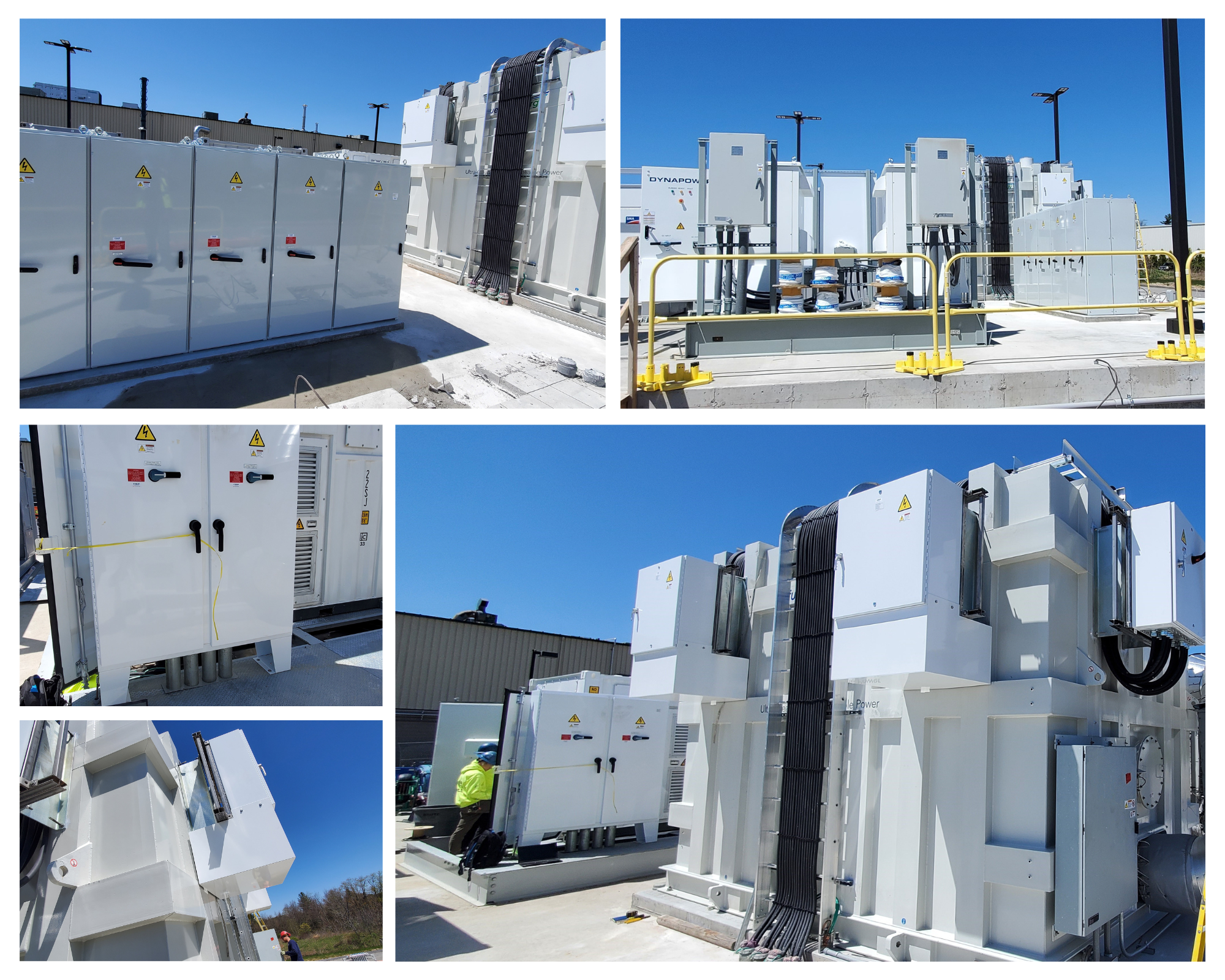
A UL 891 switchboard may be used in applications such as:
- Service entrance equipment
- Main distribution equipment
- Feeder distribution
- Commercial, industrial and institutional electrical rooms
- Low-voltage power distribution systems
UL 891 does not replace proper system design or installation code compliance. It works alongside the National Electrical Code (NEC), project specifications and local authority requirements.
Why UL 891 Matters Beyond the Checkbox
A listed switchboard helps reduce uncertainty during design review, procurement, installation and inspection. It gives project teams a clearer reference point for construction, markings, documentation and intended application.
That matters because switchboards are often installed at major power distribution points. A misapplied switchboard can create problems that are expensive to correct after equipment is already built or delivered.
A UL 891 switchboard can support:
- Clearer documentation for engineers and inspectors
- More consistent equipment construction
- Better alignment between ratings, markings and application
- Reduced ambiguity during submittal review and commissioning
- A stronger foundation for code-compliant installation
The listing matters, but it is only one part of the decision. The switchboard still needs to match the electrical system, installation environment and project requirements.
UL 891 and the NEC Have Different Jobs
One of the most important distinctions for project teams is the difference between product compliance and installation compliance.
UL 891 governs the product.
It addresses how the switchboard is constructed, evaluated and marked.
The NEC governs the installation.
It addresses how electrical equipment is selected, installed and applied in the field.
Both matter. A UL 891 switchboard can still be misapplied if it is not properly matched to the available fault current, enclosure environment, conductor routing, working clearances or other site-specific requirements.
The practical takeaway? Do not treat a UL listing as a substitute for proper design review. The strongest outcome comes from pairing UL-listed equipment with NEC-compliant installation and accurate project information.
The Specification Details That Matter Most
Before purchasing or approving a switchboard, project teams should confirm the core requirements that affect safety, cost, schedule and long-term performance.
1. Available Fault Current
Fault current is one of the most important inputs in switchboard selection. The switchboard must be suitable for the available fault current at the point where it will be installed.
This cannot be assumed from the normal operating current. Available fault current depends on the utility source, transformer size, system impedance and installation location.
Before specifying, confirm:
-
Available fault current at the installation point
-
Required short-circuit current rating (SCCR)
-
Protective device coordination requirements
-
Documentation needed for review and inspection
Getting this wrong can create serious safety concerns and may lead to costly redesign or equipment replacement.
2. Voltage Amerage and System Configuration
A switchboard must be selected for the system it will serve. Voltage, amperage and phase requirements need to be clear early in the process.
Project teams should define:
-
System voltage
-
Main bus rating
-
Main overcurrent protection
-
Feeder quantity and ratings
-
Service entrance or distribution application
-
Future expansion needs
These details affect equipment layout, component selection, enclosure size and lead time.
3. Enclosure Type and Environment
The enclosure must match the installation environment. A switchboard installed in a clean, dry indoor electrical room has different requirements than equipment exposed to dust, moisture or harsher conditions.
Before ordering, confirm:
-
Indoor or outdoor installation
-
Space conditions
-
Temperature and ventilation considerations
-
Exposure to moisture, dust or corrosive conditions
-
Required NEMA enclosure type
A switchboard can be properly rated electrically and still be a poor fit if the enclosure does not match the environment.
4. Access, Layout and Maintainability
Switchboards are long-term infrastructure. They need to support safe access, clear labeling and practical maintenance over the life of the facility.
Consider:
-
Front or rear access requirements
-
Available electrical room space
-
Working clearances
-
Cable entry and exit locations
-
Labeling and documentation needs
-
Future load changes or expansion
A well-planned switchboard can make troubleshooting, inspection and future modifications more efficient.
Switchboard, Panelboard or Switchgear? Know the Difference.
These terms are sometimes used loosely, but they are not interchangeable.
SWITCHBOARDS are typically floor-mounted assemblies used for major low-voltage distribution points. UL 891 applies to this equipment category.
PANELBOARDS are generally used for smaller, downstream branch-circuit distribution.
SWITCHGEAR is a separate equipment category with different construction, performance requirements and applications.
Choosing the right equipment category early helps avoid specification confusion, substitution issues and field coordination problems.
Contact the ASG team today to talk through your switchboard requirements.
How ASG Supports UL 891 Switchboard Requirements
ASG Power manufactures UL 891 listed switchboards with a practical, standards-driven approach to low-voltage power distribution. The focus is on helping project teams make informed equipment decisions with clearer coordination and fewer surprises in the field.
ASG can help teams think through:
-
Switchboard requirements and application fit
-
Ratings, enclosure needs and documentation
-
Coordination between engineering, purchasing and installation teams
-
In-house build and quality processes
-
Practical considerations that affect schedule and commissioning
As this capability grows, ASG’s value is straightforward: a technical, responsive partner that can help clarify requirements early and support a cleaner path from specification to delivery.
What Different Project Teams Should Watch Out For
Engineers
Engineers need accurate system data, clear ratings and documentation that supports design intent. Early clarity helps reduce submittal revisions and field questions.
Contractors
Contractors need equipment that aligns with the installation environment, access requirements and site schedule. Clear documentation supports smoother installation and inspection.
Facility and Maintenance Teams
Facility teams need equipment that is maintainable, labeled clearly and suitable for long-term operation. Future access and expansion should be considered before the switchboard is built.
Project Managers and Purchasing Teams
Purchasing decisions should go beyond price and lead time. The lowest-friction path is usually the one that clarifies technical requirements before production begins.
Key Takeaways
-
UL 891 is a product safety standard for dead-front switchboards.
-
A UL 891 listing supports quality, consistency and inspection readiness, but it does not replace NEC-compliant installation.
-
Available fault current, enclosure type, ratings and maintainability should be confirmed before purchase.
-
Switchboards, panelboards and switchgear serve distinct roles and should not be treated as interchangeable.
-
ASG Power manufactures UL 891 listed switchboards for trusted quality and compliance, and can help teams clarify requirements before a switchboard is specified or ordered.
Need help reviewing SCCR, enclosure type or switchboard specifications? ASG can help your team identify issues before procurement or installation.
Talk with ASG about your UL 891 switchboard requirements.
.jpg?width=1920&height=1080&name=ASGSummerReadinessBlog2026%20(1).jpg)