Match Motor Speed to the Process
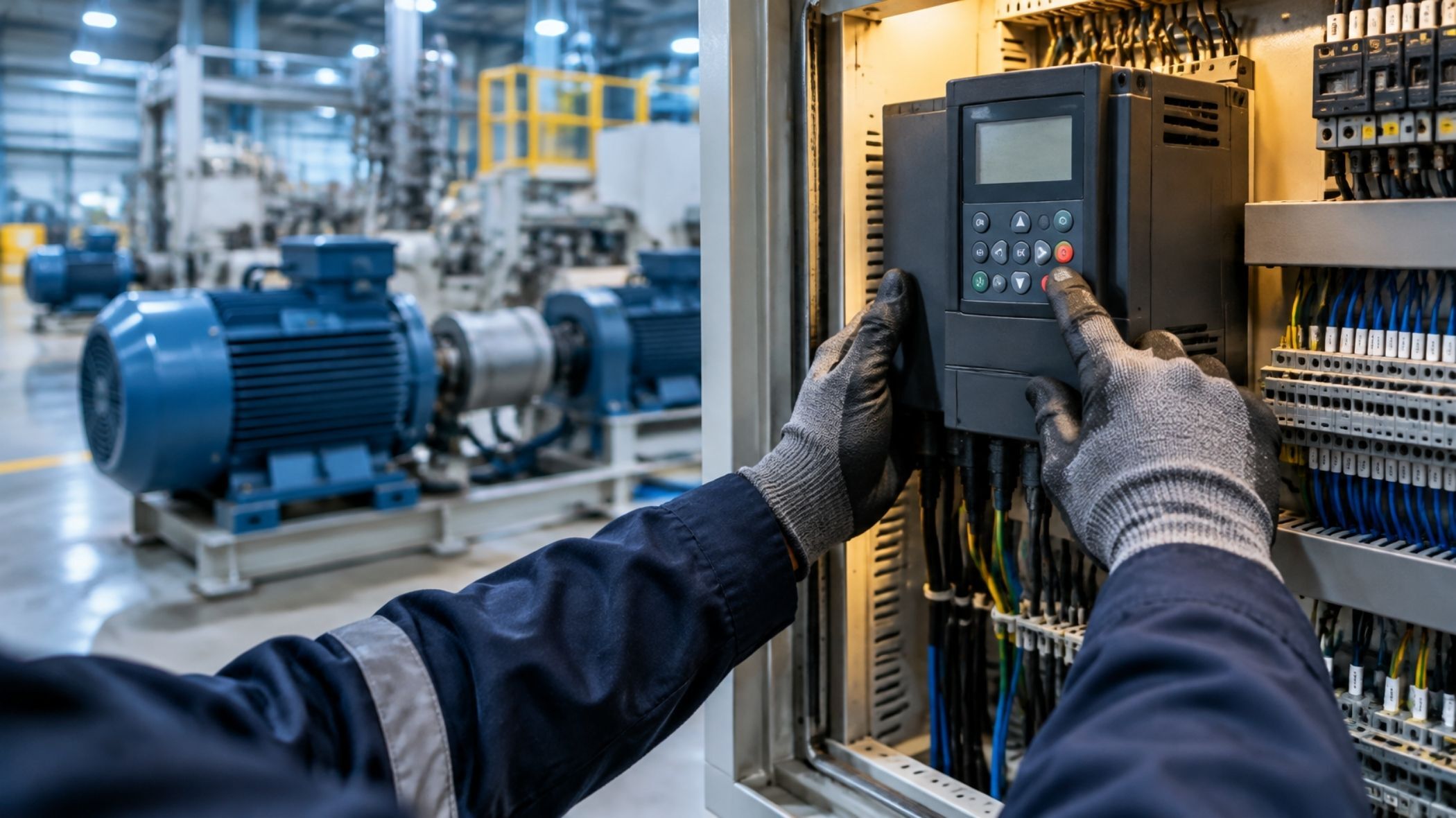
Many motors in industrial and municipal facilities do not need to run at full speed all the time. Pumps follow demand. Fans follow load. Conveyors follow production rate. VFD drives let project teams match motor speed to what the process actually needs, which can reduce energy use, ease mechanical stress and improve control.
This guide explains what VFD drives do, where they are used and what benefits they can deliver. It also covers what it takes to get a drive package ready for the field and shares recent ASG Power VFD project experience in food and beverage, processing equipment and water markets.
Quick Answer: What Is a VFD Drive?
A variable frequency drive (VFD) is an electrical device that controls the speed and torque of an electric motor. It does this by adjusting the frequency and voltage of the power supplied to the motor. Lower the frequency and the motor slows down. Raise it and the motor speeds up.
VFDs are commonly used anywhere a motor does not need to run at full speed all the time.
The term VFD drive is technically redundant, since the D already stands for drive. Still, it is how many engineers and buyers search for this equipment, so you will see both terms used.
How Do VFD Drives Work?
A standard AC motor connected directly to the line runs at a speed set by the supply frequency. A VFD sits between the power supply and the motor so that frequency can be adjusted. In general terms, the drive works in three stages:
- Rectifier: Converts incoming AC power to DC power.
- DC bus: Smooths and stores that DC power.
- Inverter: Converts the DC power back to AC at the frequency and voltage the motor needs.
Because the drive controls output frequency, it can also ramp a motor up and down gradually. That controlled start is one reason VFDs reduce inrush current compared with across-the-line motor starting, where the motor is connected straight to full voltage.
Common VFD Applications
VFD drives deliver the most value where motor demand changes over time. Common applications include:Pumps: Water systems, wastewater, irrigation and cooling systems
- Fans and blowers: HVAC, ventilation, dust collection and cooling towers
- Conveyors: Manufacturing lines, packaging and material handling
- Compressors: Air systems and process equipment
- Mixers and agitators: Food processing, chemical processing and industrial tanks
- Machine tools: Controlling spindle or feed speeds
- Industrial automation systems: Any process where motor speed needs to match production conditions
- Drive sizing and selection: The drive must match the motor, the load and the duty cycle. An undersized drive can trip or overheat. An oversized one adds cost and space.
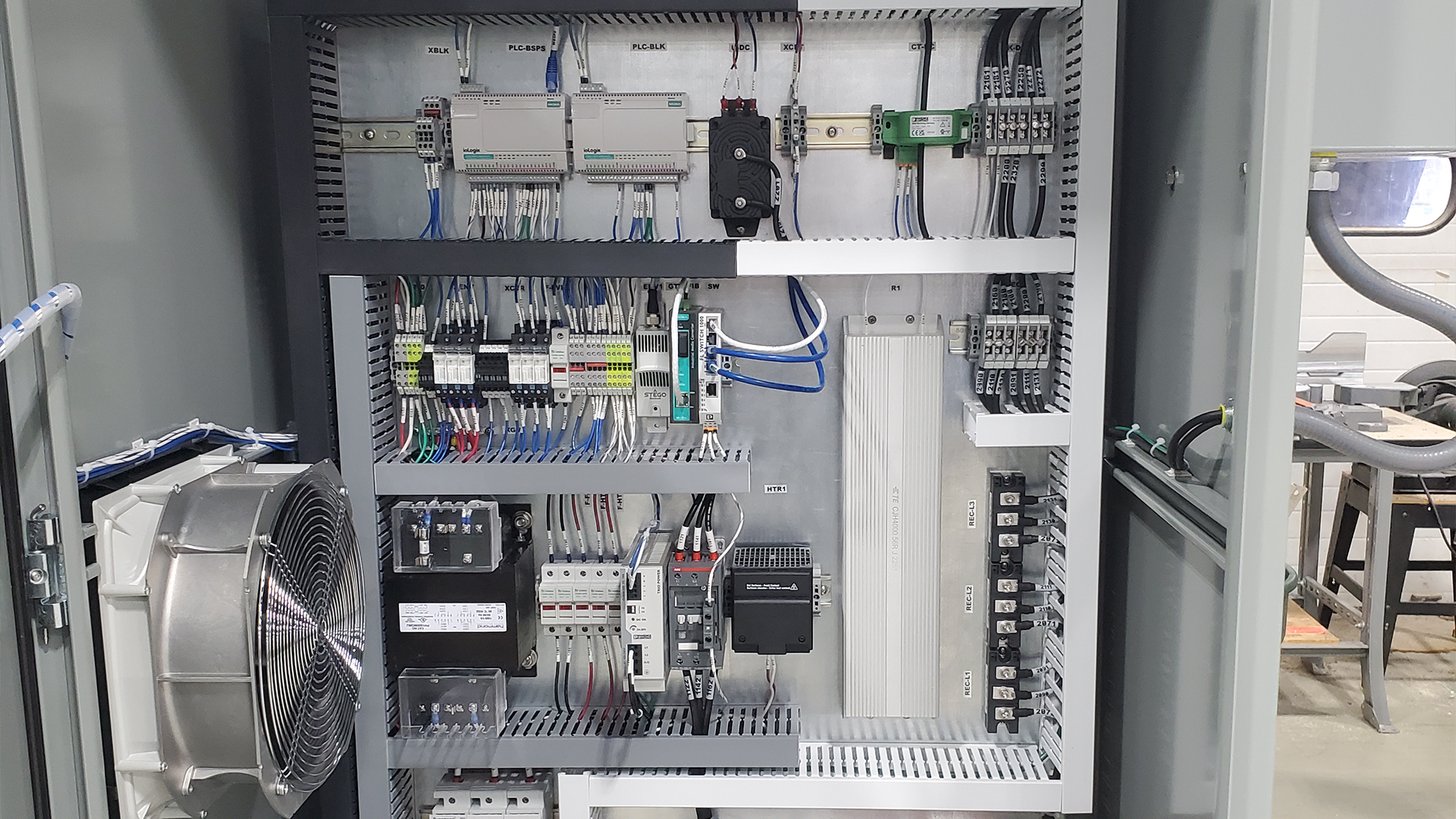
- Enclosure selection: Ambient temperature, moisture, dust and washdown conditions all affect what enclosure the drive needs. The wrong choice can shorten equipment life.
- Heat management: Drives generate heat, especially at higher horsepower. Ventilation, air cooling or water cooling must be planned for the application.
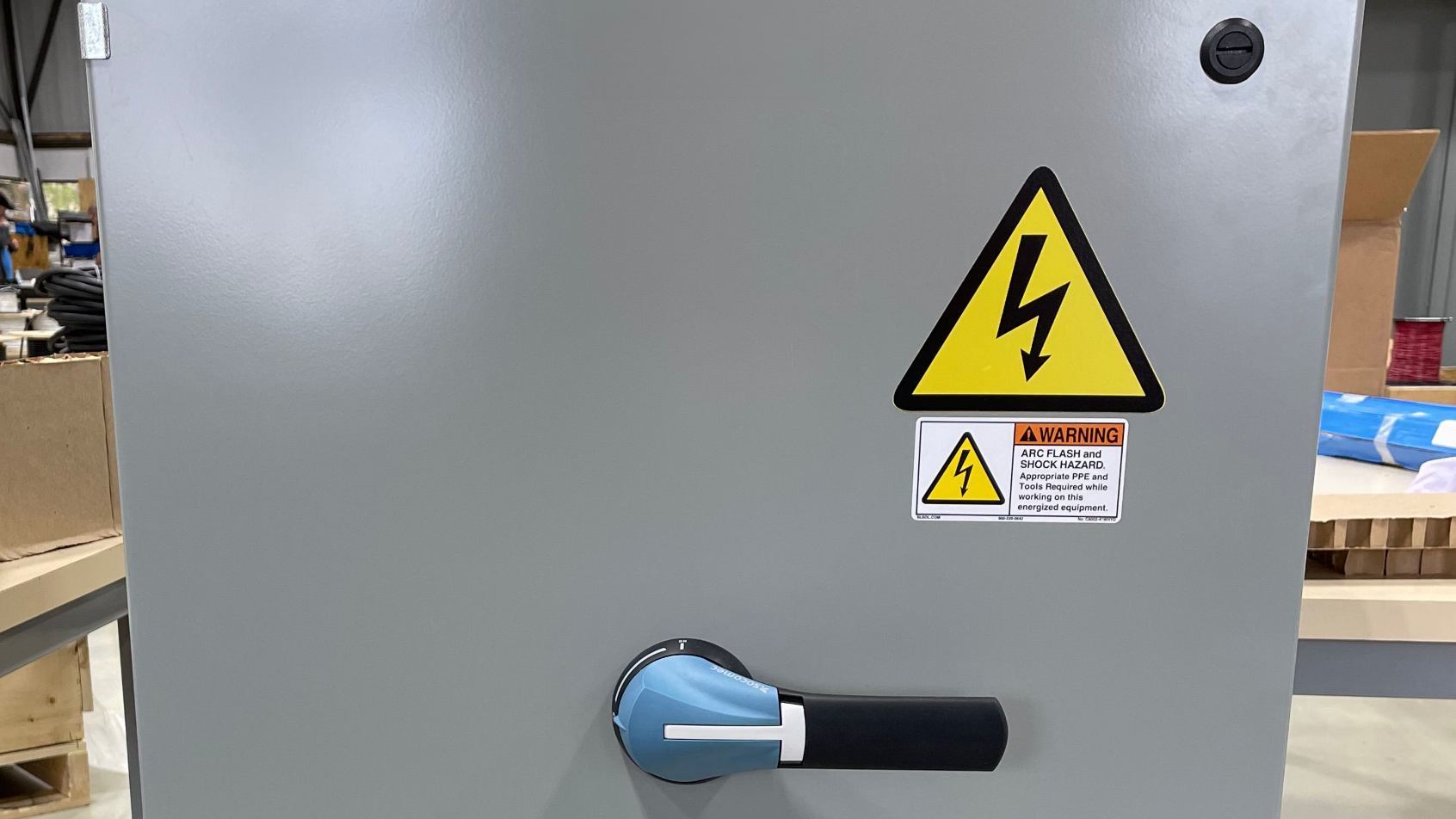
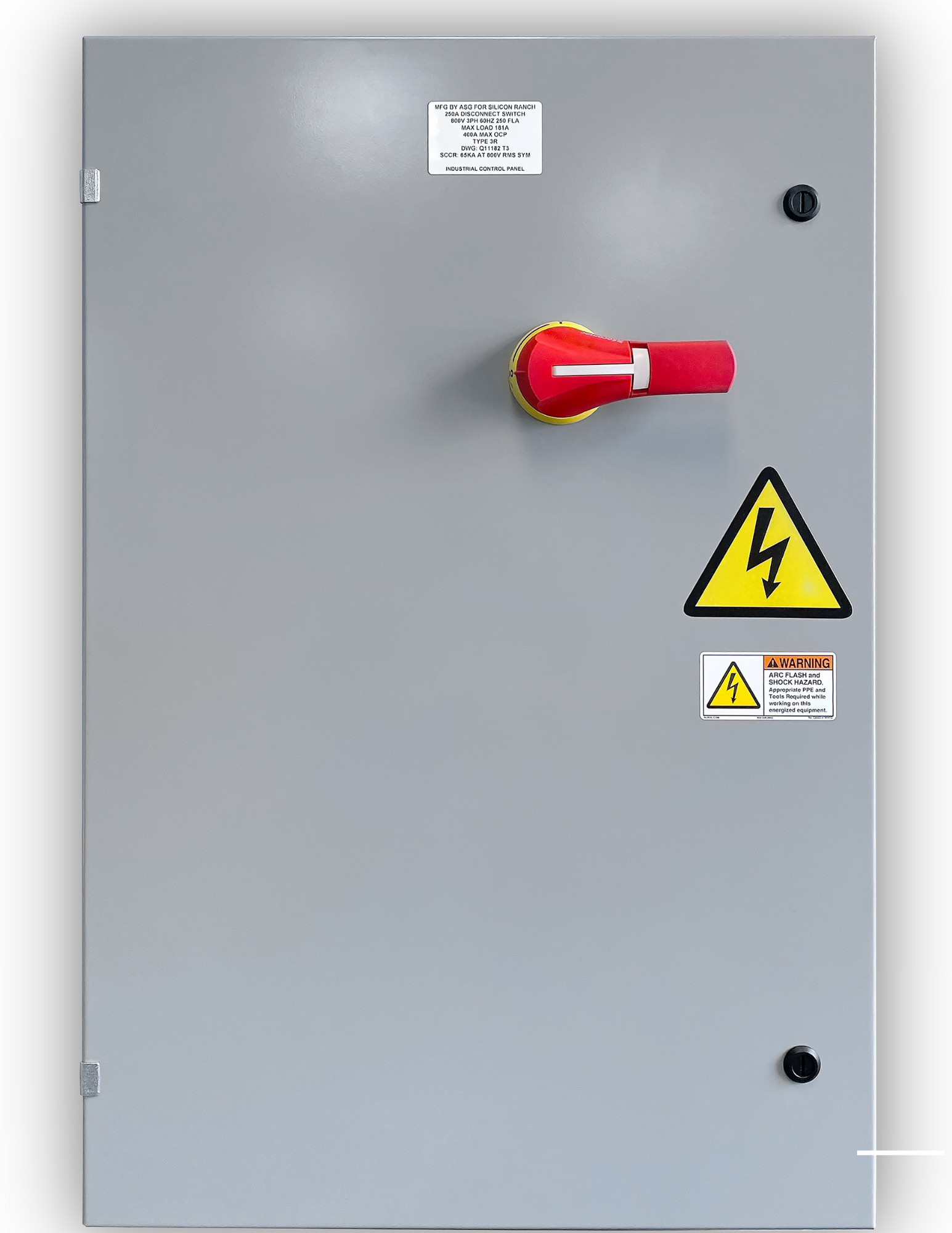
- Compliance: Industrial control panels often need to meet UL 508A, the UL standard for industrial control panels. Requirements should be confirmed for each application and jurisdiction.
- Coordination with controls: The drive has to work with the customer's control architecture and communications plan.
- Testing before shipment: Inspection and testing in a controlled environment help catch issues before equipment reaches the site.
In each case, the question is the same: does the motor need full speed all the time? If not, a VFD can help align motor output with the real load.
Benefits of VFD Drives
VFDs are popular because they can improve both performance and efficiency. When properly applied, the key benefits include:
Energy savings: Motors run only as fast as the process requires. On centrifugal pumps and fans, power demand falls sharply as speed drops, so even modest speed reductions can lower energy use.
Reduced mechanical stress: Gradual starts and stops ease the shock on motors and driven equipment.
Better process control: Adjustable speed lets operators fine-tune flow, pressure, line speed or mixing to match production needs.
Lower maintenance costs: Less wear on belts, bearings, pumps and couplings can extend service intervals.
Reduced inrush current: Controlled acceleration draws less current at startup than across-the-line starting.
Longer equipment life: Lower stress and smoother operation can help motors and mechanical components last longer.
Results depend on the application, the load profile and how well the drive, motor and enclosure are matched. That is where engineering and build quality matter.
What Makes a VFD Project Succeed
A drive delivers its benefits only when it is properly applied, packaged and built. On real projects, these factors often decide whether a VFD installation goes smoothly or creates field rework:
Getting these details right early helps protect the schedule, reduce field labor and support smoother commissioning.
ASG Power VFD Project Experience
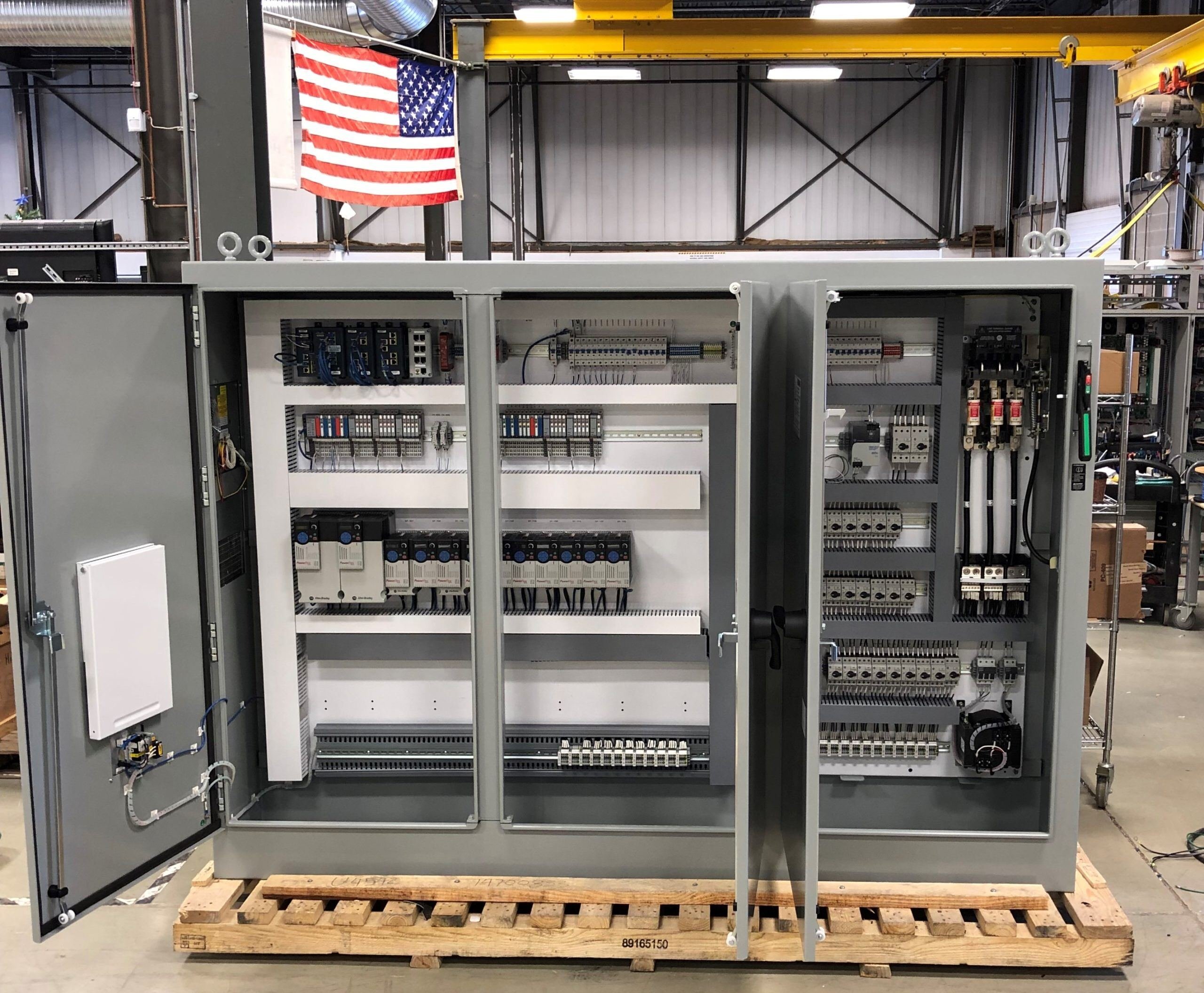
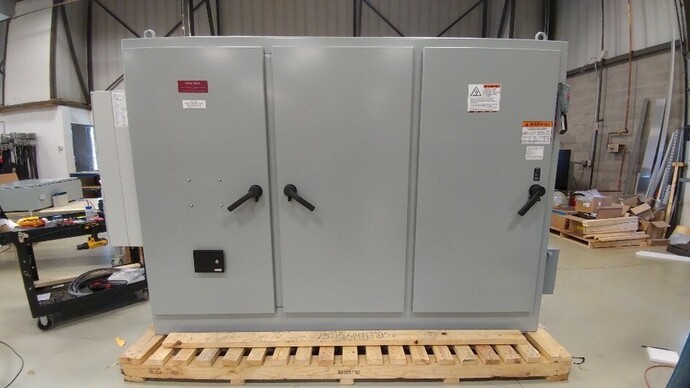
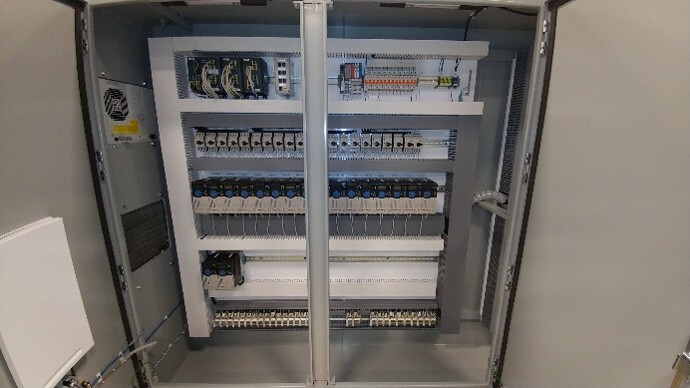
ASG Power builds custom VFD drive packages up to 500 HP. Recent projects show how drive requirements change across markets, from smaller process drives to high-horsepower water-cooled systems.
| Market | Drive Scope | Application |
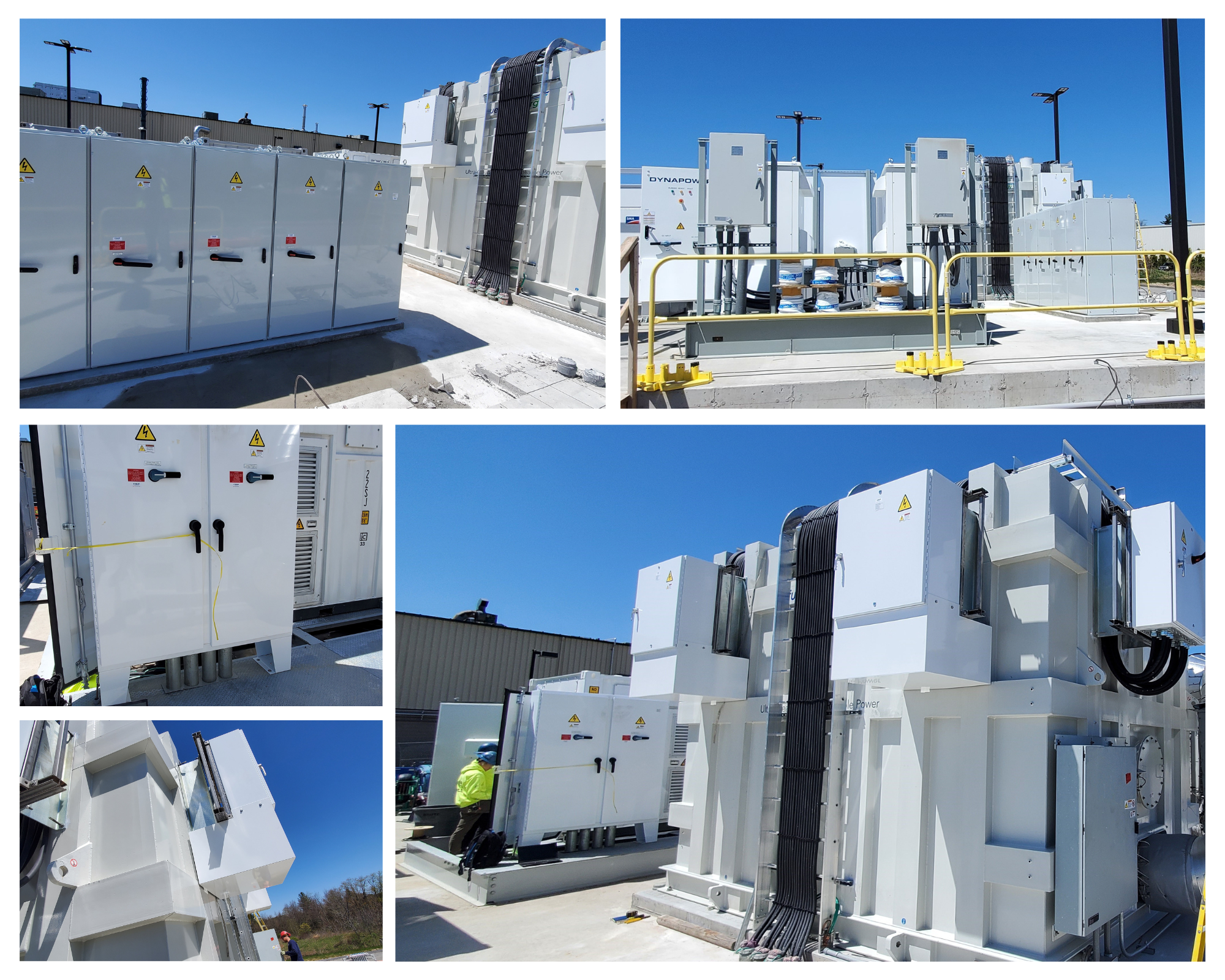
| Processing equipment | 500 HP water-cooled drives | Synchronous bearing application |
| Water and wastewater | Rockwell Automation drives, 75 to 350 HP | Water market systems |
| Food and beverage | Rockwell Automation drives, 5 to 75 HP | Process controls |
Processing Equipment: 500 HP Water-Cooled Drives
For a processing equipment customer, ASG built 500 HP water-cooled drives for a synchronous bearing application. At this size, heat management becomes a central design factor. Water cooling helps manage heat in a compact footprint where air cooling alone may not be practical.
Water and Wastewater: 75 to 350 HP Drives
For a water market customer, ASG built Rockwell Automation drives ranging from 75 to 350 HP. Pumping is one of the most common VFD applications, since flow demand in water systems changes throughout the day.
Food and Beverage: 5 to 75 HP Process Control Drives
For a food and beverage project, ASG built Rockwell Automation drives from 5 to 75 HP for process controls. Drives in this range help match conveyors, mixers and other process equipment to production needs.
Access to Rockwell Automation Drives
ASG's parent company is an authorized Rockwell Automation distributor. For project teams standardized on Rockwell drives, that connection keeps drive selection and sourcing close to the team building the panel. ASG also takes the time to find the right enclosure for each application, so the package fits the environment where it will operate.
Why Partner With ASG for VFD Drives
A VFD package touches engineering, sourcing, enclosure design, assembly and testing. Keeping those steps connected reduces handoffs and the scope gaps that tend to surface during commissioning.
Right-size the drive package: ASG builds VFD drives up to 500 HP, from process control drives to high-horsepower water-cooled systems.
Fit the environment: ASG takes the time to match the enclosure to the site conditions the drive will face.
Support compliance: UL-certified for quality and compliance you can trust, with control panels built to UL 508A when the application requires it.
Reduce handoffs: ASG's Design Engineer Manufacture approach connects engineering and in-house manufacturing in Rocky Hill, Connecticut.
Improve field readiness: Inspection and testing before shipment help identify issues before equipment reaches the site.
Key Takeaways
- VFD drives control motor speed and torque by adjusting the frequency and voltage supplied to the motor.
- They deliver the most value on pumps, fans, conveyors, compressors, mixers and other loads that do not need full speed all the time.
- Benefits can include energy savings, less mechanical stress, better process control and lower maintenance costs.
- Drive sizing, enclosure selection, heat management and pre-shipment testing all shape field results.
- ASG Power builds custom VFD drive packages up to 500 HP for food and beverage, processing equipment and water applications.
Plan Your Next VFD Project With ASG
Whether you need a set of process control drives or a high-horsepower water-cooled system, ASG can work with your team to turn drive requirements into a manufactured, inspected and tested package.
Frequently Asked Questions About VFD Drives
What does VFD stand for?
VFD stands for variable frequency drive. It controls the speed and torque of an AC motor by adjusting the frequency and voltage of the power supplied to it.
What are the most common VFD applications?
Common applications include pumps, fans and blowers, conveyors, compressors, mixers and agitators, machine tools and industrial automation systems. VFDs fit best where motor demand changes over time.
Do VFD drives save energy?
They can. A VFD lets a motor run only as fast as the process requires. On centrifugal pumps and fans, power demand drops sharply as speed drops, so savings can be meaningful. Actual results depend on the load profile.
How is a VFD different from a soft starter?
A soft starter controls voltage during startup and shutdown, then lets the motor run at full speed. A VFD controls speed throughout operation, so it can adjust motor output as process demand changes.
What size VFD drives can ASG Power build?
ASG Power builds VFD drives up to 500 HP. Recent projects range from 5 to 75 HP process control drives to 500 HP water-cooled drives.
Do VFD panels need UL 508A certification?
Many industrial control panels, including VFD panels, are built to UL 508A. Requirements depend on the application, the specification and the Authority Having Jurisdiction. ASG builds control panels to UL 508A when the application requires it.
Can ASG supply Rockwell Automation drives?
Yes. ASG's parent company is an authorized Rockwell Automation distributor, and ASG has built Rockwell-based drive packages for water and food and beverage applications.
Topics:
.jpg?width=1920&height=1080&name=ASGSummerReadinessBlog2026%20(1).jpg)